What Exercises Are Used in Pelvic Floor Therapy?
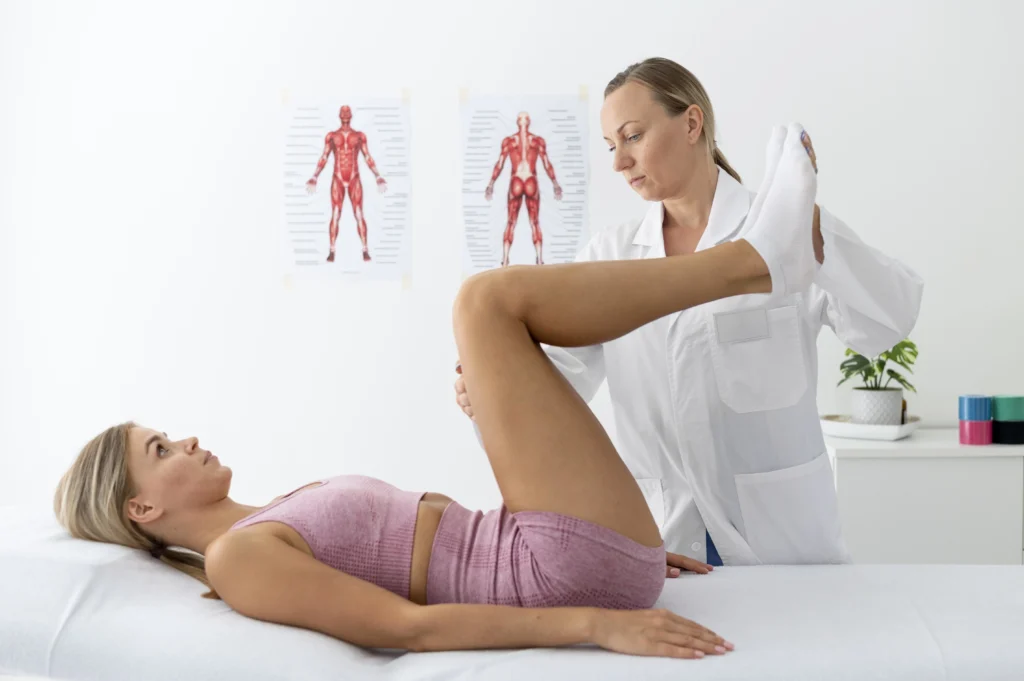
At Evolution Physio in Edmonton, many people try pelvic floor therapy. It helps improve muscle control, stability, and function. This therapy focuses on strengthening and coordinating muscles that support the bladder, bowel, and core.
Pelvic floor therapy uses guided exercises to target these muscles. It also improves coordination with nearby muscle groups. If you have weakness, tightness, or poor coordination, structured exercises can help restore function.
Why Pelvic Floor Exercises Matter
The pelvic floor plays an important role in daily activities, including sitting, standing, lifting, and maintaining balance. When these muscles do not function properly, it can affect posture, movement, and control.
Through Pelvic floor therapy, we focus on:
- Improving muscle strength
- Enhancing coordination with core muscles
- Supporting bladder and bowel control
- Reducing strain during movement
At Evolution Physio, we guide you through exercises based on your ability. We help you progress gradually over time.
Common Exercises Used in Pelvic Floor Therapy
Pelvic floor therapy includes many exercises for strength and control. Each one has a purpose and helps your muscles work together.
1. Kegel Exercises
Kegels are among the most common exercises in Pelvic floor therapy. You contract and relax your pelvic floor muscles during this exercise.
How to perform:
- Tighten the muscles you would use to stop urination.
- Hold for a few seconds.
- Relax slowly
- Repeat several times
These exercises help build strength and improve control.
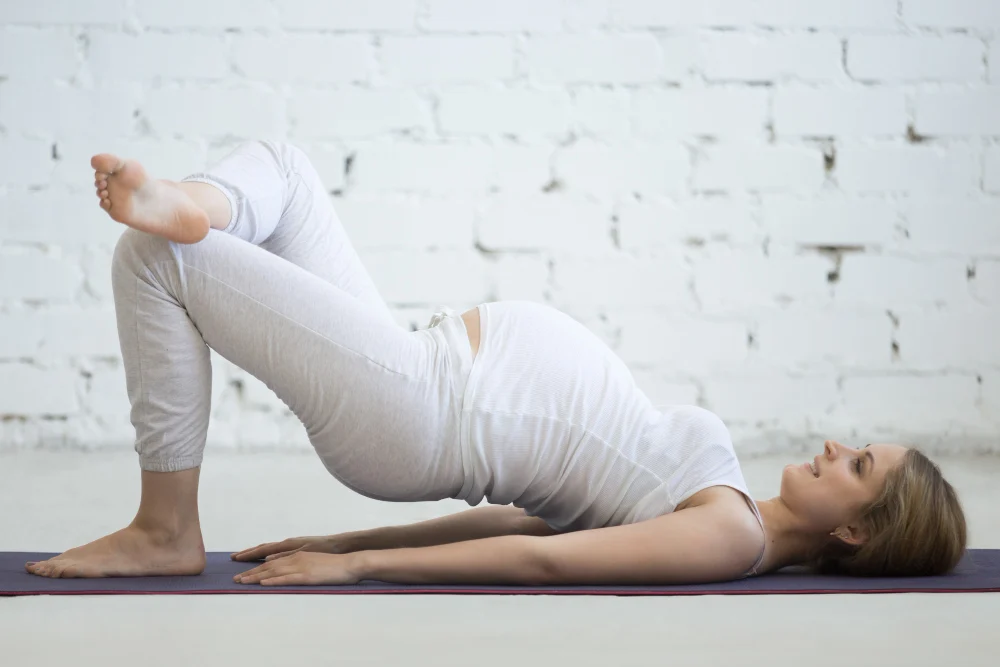
2. Bridge Exercise
Not only does the bridge exercise strengthen the pelvic floor, but it also targets surrounding muscles, such as the glutes and lower back.
Steps include:
- Lie on your back with knees bent.
- Lift your hips off the ground.
- Engage your pelvic floor muscles.
- Hold briefly, then lower down.
This exercise coordinates movement between muscle groups, improving overall function.
3. Squats
Squats build lower-body strength and engage the pelvic floor.
During Pelvic floor therapy, squats are used to:
- Improve lower-body strength.
- Activate pelvic floor muscles during movement.
- Support daily activities, such as sitting and standing.
Focus on controlled movement and keep proper posture for each repetition.
4. Pelvic Tilts
Pelvic tilts improve awareness and control of the pelvic region.
To perform:
- Lie on your back with knees bent.
- Gently tilt your pelvis upward.
- Engage your core and pelvic floor.
- Return to the starting position.
By performing this exercise, you can improve both posture and coordination.
5. Deep Breathing with Pelvic Activation
Breathing is important in pelvic floor therapy. Good breathing helps the pelvic floor muscles contract and relax.
This exercise includes:
- Inhaling deeply through your nose
- Allowing your abdomen to expand
- Exhaling slowly while gently engaging your pelvic floor
Practicing this helps you improve muscle timing and coordination.
How These Exercises Work Together
Each pelvic floor therapy exercise targets specific muscle function. Some build strength, others boost coordination or control. According to Wikipedia, pelvic floor exercises are designed to strengthen and improve control of the pelvic floor muscles, which support bladder and bowel function and core stability.
At Evolution Physio in Edmonton, we combine these exercises into a balanced routine. Our plan:
- Strengthens weak muscles
- Relaxes overly tight muscles
- Improves communication between muscle groups
- Supports better posture and movement
A structured plan helps improve your body during daily activities.
Who Can Benefit from Pelvic Floor Therapy
Many people benefit from pelvic floor therapy, no matter their age or activity. It can help with a wide range of needs.
You may consider it if you:
- Experience muscle weakness or tightness
- Have difficulty with bladder control
- Notice reduced core stability.
- Feel discomfort during movement.
- Want to improve overall muscle coordination.
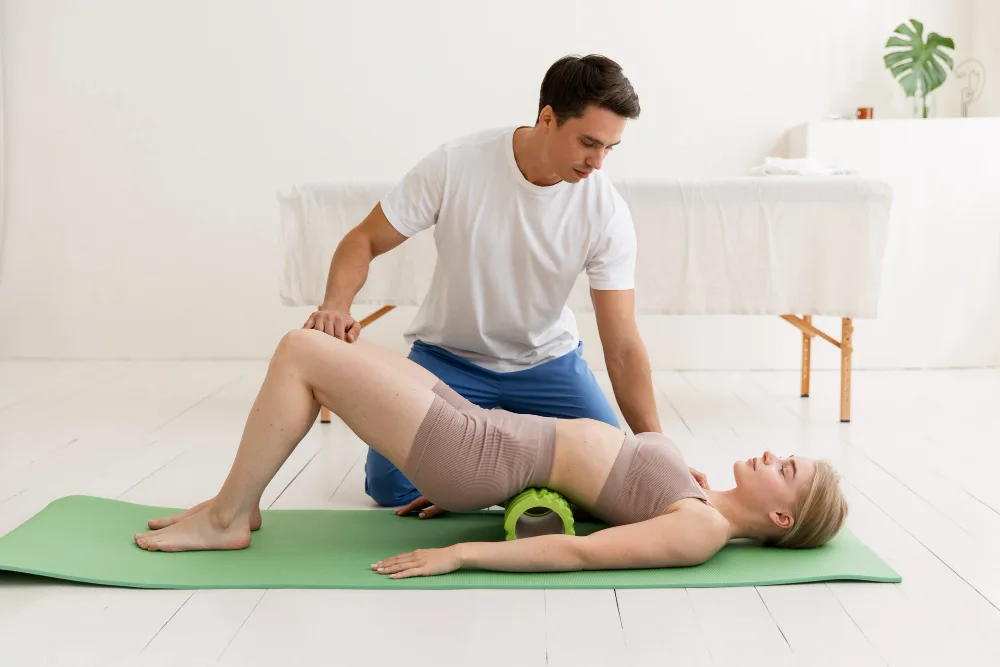
At Evolution Physio, we assess your condition and guide you through exercises for your needs.
What to Expect During a Session
At Evolution Physio, your pelvic floor therapy session is structured and easy to follow.
Your session may include:
- Assessment of muscle strength and coordination
- Guided instruction on exercises
- Practice of movements with proper technique
- Adjustments based on your progress
- Simple exercises to continue at home
We help you understand each movement so you can perform it correctly every time.
Building Consistency with Pelvic Floor Therapy
Consistency matters for muscle function. Regular pelvic floor exercises help strengthen muscles and boost coordination over time.
At Evolution Physio, we encourage you to keep your routine. With steady effort, you can improve muscle control and move with ease each day.