
5 Reasons to Consider Massage Therapy for Muscle Tension
 by
by 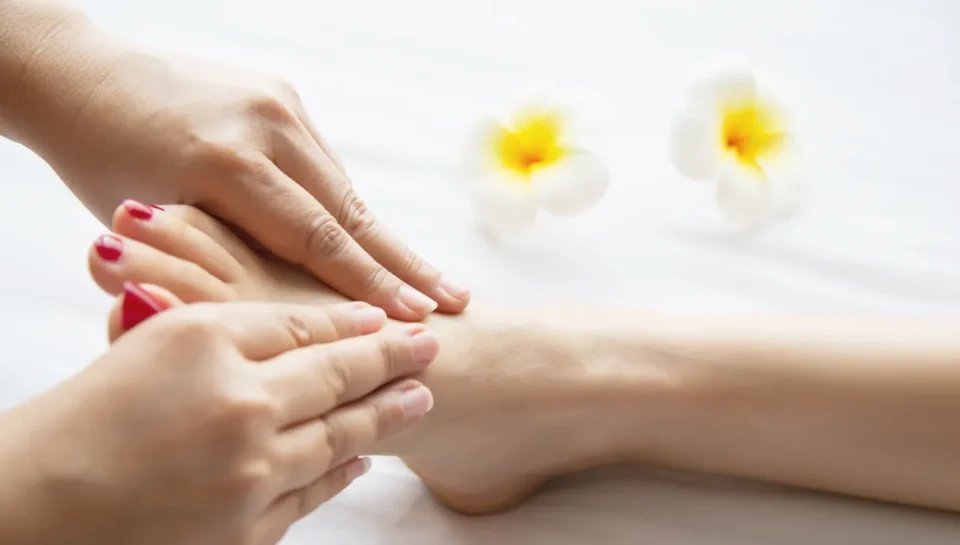
Why Muscle Tension Can Affect Your Everyday Life
Muscle tension can build quietly. A long day at a desk, repeated movements, demanding workouts, poor sleep, stress, or extended periods in one position can leave the neck, shoulders, back, hips, and legs feeling tight. For some people, that tightness fades after rest. For others, it can become a recurring issue that affects movement, posture, concentration, and daily comfort.
Massage therapy is one approach that may be considered when muscle tension becomes a regular part of life. At Evolution Physiotherapy in Edmonton, massage can be part of a broader approach to musculoskeletal care, depending on an individual’s needs and goals.
This article looks at five reasons people may consider massage for muscle tension, explains common massage styles, and answers common questions about stress and tight muscles.
1. Massage may help loosen tight muscles.
When a muscle stays contracted for long periods, it can feel stiff, restricted, or tender. This can happen after physical activity, repetitive work, prolonged sitting, or everyday stress.
Massage therapy uses hands-on pressure and movement over soft tissues. Depending on the technique, the therapist may work with the muscles, fascia, and surrounding tissues. The aim is to address areas that feel tense while encouraging comfortable movement.
Some people notice a sense of reduced tightness after a session. The response can vary from person to person, and massage is not a substitute for assessment when symptoms are persistent, severe, or associated with an injury.
For people in Edmonton who spend many hours at a desk, drive frequently, train at the gym, or perform physically demanding work, regular attention to muscle tension may form part of a wider movement and self-care routine.
2. It may support comfortable movement.
Muscle tension can change the way a person moves. A tight upper back may make turning the shoulders or neck feel restricted. Tension around the hips can make certain positions uncomfortable. Tight calf or thigh muscles may affect how someone walks, exercises, or climbs stairs.
Massage therapy may help by working on areas of soft-tissue restriction. It may be particularly useful when the main concern is a feeling of muscular tightness rather than a new injury that needs assessment. When tissues feel less guarded, some people find everyday movements more comfortable.
Movement remains an important part of managing recurring tension. Stretching, strengthening, activity modification, workstation changes, sleep habits, and other physiotherapy strategies may also have a role.
If tightness continues to return, it can be useful to look at what may be contributing to it rather than focusing only on the area that feels tense. Repetitive loading, sudden increases in activity, posture, recovery habits, and stress can all influence how muscles feel.
3. It can be part of a stress-management routine.
Stress does not only affect mood. It can also influence muscle activity. During periods of stress, people may unconsciously tense their jaw, shoulders, neck, or back. Sitting still for long periods while working under pressure can add to that pattern.
Massage therapy may provide a quiet period in which the body is exposed to hands-on work and the person can step away from daily demands. Many people find this type of session calming.
A massage session should not be viewed as a standalone answer to ongoing stress. Regular movement, sleep, breathing exercises, time outdoors, social connection, and other healthy routines can also support stress management.
If stress is contributing to recurring muscle tightness, addressing both factors may be useful. A physiotherapy assessment can also help identify movement or activity patterns that may be adding to the problem.
4. It may support recovery after physical activity.
Exercise places demands on muscles. After a new workout, a longer run, a recreational sport, or a physically demanding job, muscles may feel tired and tight.
Massage therapy may be used as part of a recovery routine. Different massage methods apply different levels of pressure and movement, so the appropriate approach can depend on the person, the activity, and the timing of the session.
Massage is not a replacement for adequate hydration, nutrition, sleep, gradual training progression, or rest. Those fundamentals remain important when managing exercise-related muscle soreness and fatigue.
People returning to activity after a period of inactivity may also benefit from considering how quickly they increase their workload. Sudden changes in training volume can contribute to muscle soreness and other problems.
5. It can complement physiotherapy care.
Massage and physiotherapy can address different aspects of a person’s movement and musculoskeletal concerns. Massage focuses primarily on hands-on work with soft tissues, while physiotherapy may include assessment, exercise, movement retraining, education, and other interventions.
Massage therapy can therefore be considered alongside physiotherapy when muscle tightness is one part of a wider concern.
For example, someone with recurring shoulder tension may benefit from soft-tissue work while also addressing shoulder strength, workstation setup, movement habits, and activity levels. Someone with lower-body tightness may need to consider mobility, strength, training load, footwear, and movement mechanics.
At Evolution Physiotherapy in Edmonton, a conversation about your symptoms, daily activities, and goals can help determine whether massage fits into your care plan.
What Are the Different Types of Massage Therapy?
There are several massage styles, and each uses different methods and levels of pressure.
Swedish massage
Swedish massage generally uses flowing strokes, kneading, and other rhythmic movements. It is often associated with relaxation and general soft-tissue work.
Deep tissue massage
Deep tissue massage uses slower, more focused pressure on areas of muscular tension. The pressure level should be appropriate for the individual rather than based on the idea that stronger pressure is always useful.
Sports massage
Sports massage may be used by people who take part in recreational or competitive physical activity. Techniques can vary according to the activity, training schedule, and areas of muscular demand.
Myofascial techniques
These techniques focus on soft tissues and fascia, which are connective tissues surrounding muscles and other structures. The therapist may use sustained pressure or slow movements in areas that feel restricted.
Relaxation-focused massage
This style generally uses gentle, flowing movements and a comfortable pace. It may be chosen by people seeking a calming session while also addressing general muscle tension.
The names and methods used by clinics can vary. If you are unsure which approach is appropriate, discuss your symptoms, activity level, health history, and preferences with the practitioner before the session.
Does Massage therapy help with stress and muscle tightness?
Massage therapy may help some people manage the physical effects associated with stress and muscle tightness. Stress can contribute to increased muscle tension, particularly around the neck, shoulders, jaw, and upper back. Sitting for long periods or remaining in one position can add to that feeling.
Hands-on massage may reduce the sensation of tightness for a period of time and can provide a relaxing break from daily demands. However, results vary, and recurring tension may have several contributing factors.
If tight muscles continue despite rest and activity changes, or if symptoms include significant weakness, numbness, swelling, fever, unexplained weight change, or pain after a major injury, seek appropriate medical assessment.
A physiotherapist can assess movement, strength, flexibility, activity patterns, and other relevant factors. This can help determine whether massage, exercise, physiotherapy, or another form of care is appropriate.
What can cause muscle tension?
Muscle tension can have many sources, and identifying the pattern can make it easier to decide what to do next. Common contributors include prolonged sitting, repetitive tasks, lifting, exercise, changes in training volume, poor recovery, emotional stress, and holding the body in one position for a long time.
Some people notice tension mainly at the end of a workday. Others feel it after exercise or during periods when stress levels are higher. The location can also provide clues. Neck and shoulder tightness may be associated with desk work or sustained positions, while hip and leg tension may appear after walking, running, strength training, or long periods of standing.
Massage therapy can address the sensation of tightness in the soft tissues, but it is useful to consider the activities that may be contributing to it. If the same pattern returns repeatedly, changing workload, taking movement breaks, improving sleep routines, and adding suitable strengthening or mobility exercises may be important parts of the overall plan.
When should you consider massage for muscle tension?
Massage may be worth discussing when muscle tightness is affecting your comfort or making routine activities harder. It can also be considered as part of a recovery or relaxation routine.
Before booking a session, think about:
- Where you feel the tension
- How long it has been present
- Whether certain activities make it worse
- Whether you recently changed your exercise routine
- Whether you have had an injury
- Whether you have numbness, weakness, swelling, or other symptoms
- What you would like to achieve from the session
These details can help the practitioner decide whether massage is suitable and what approach may be appropriate.
What happens during a massage session?
A session usually begins with a discussion about your current symptoms, activities, and areas of concern. The therapist may ask about work demands, exercise, previous injuries, and what you would like to address.
Massage therapy may then involve a combination of strokes, kneading, pressure, and other hands-on methods. The exact techniques depend on the area being treated and how your body responds.
Massage therapy should include communication throughout the session. You can tell the therapist if pressure needs to be changed, if a position is uncomfortable, or if a particular area feels unusually sensitive.
Afterward, some people feel relaxed or notice changes in muscle tightness. Others may feel temporary tenderness, particularly after firmer work. Massage therapy is one component of musculoskeletal care, so recurring symptoms may still need attention through movement, exercise, activity changes, or further assessment.
How can you get more from a massage session?
Arrive ready to communicate. Let the therapist know where you feel tension, how sensitive the area is, and whether there are movements that cause discomfort.
During the session, speak up if pressure feels too strong or if a technique causes sharp or unusual discomfort. Massage should not require you to tolerate severe pain.
After the session, pay attention to how your body responds. Gentle movement, normal hydration, adequate sleep, and gradual return to activity may support your routine.
If your muscle tension keeps coming back, consider whether something in your daily routine may be contributing to it. A workstation assessment, strength program, mobility work, activity modification, or physiotherapy assessment may be useful additions.
FAQs
1. How often should I have a massage for muscle tension?
There is no single schedule that fits everyone. Frequency can depend on the cause of the tension, activity level, symptoms, and response to treatment. A practitioner can discuss an appropriate schedule based on your situation.
2. Is massage suitable for everyone?
Not necessarily. Certain health conditions, recent injuries, skin problems, blood-clotting concerns, or unexplained symptoms may require medical assessment before massage. Tell your practitioner about relevant health information before treatment.
3. Can massage replace physiotherapy?
Massage and physiotherapy have different roles. Massage focuses on hands-on soft-tissue techniques, while physiotherapy may include assessment, exercise, movement work, and other strategies. They can sometimes be used together.
4. Should massage hurt to work?
No. Firm pressure can feel intense, but severe or sharp pain is not a requirement. Communication during the session allows pressure and technique to be adjusted.
5. Can massage help with neck and shoulder tension?
It may help reduce the feeling of muscular tightness in these areas. However, recurring neck or shoulder symptoms may also relate to posture, workload, strength, mobility, stress, or an underlying condition. Persistent symptoms should be assessed.
Take the Next Step
Muscle tightness can affect how you sit, work, exercise, sleep, and move through your day. Massage can be one part of a broader plan for managing soft-tissue tension and supporting comfortable movement.
If you are in Edmonton and want to discuss whether massage fits your needs, contact Evolution Physiotherapy. The team can talk with you about your symptoms and daily activities and explain available care options.
