9 Questions Everyone Asks About Dry Needling
Common Questions Before Trying Dry Needling
Muscle tightness, recurring aches, and restricted movement can make everyday activities feel more difficult than they should. Many people in Edmonton hear about dry needling and wonder whether it could play a role in their recovery plan. Since the name often creates confusion, it is common for people to search for straightforward answers before booking an appointment.
At Evolution Physiotherapy, clients frequently arrive with similar concerns. They want to know what happens during a session, whether the process is uncomfortable, how long results may take, and who may benefit from treatment. This article answers the questions people ask most often so you can make an informed decision.
1. What Is Dry Needling?
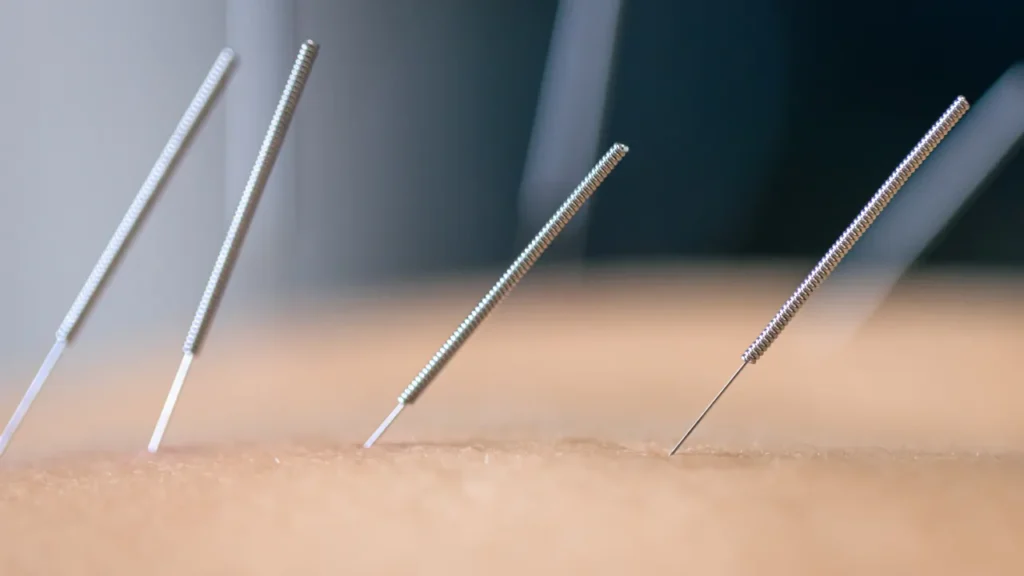
Dry Needling is a physiotherapy technique that uses very thin, sterile needles to target tight muscle bands and trigger points. The goal is to help reduce muscle tension, improve movement, and support normal muscle function.
Unlike treatments that place substances into the body, this approach relies solely on the needle itself. The physiotherapist selects muscles based on an assessment of your symptoms, movement patterns, and physical findings. The technique is often combined with movement training, stretching, strengthening exercises, and education to address the factors contributing to discomfort.
Many people notice that muscle tightness can interfere with work, sports, household activities, or sleep. By addressing trigger points, this approach may help restore smoother movement while supporting the body’s natural recovery process.
2. Does Dry Needling Hurt?
This is one of the first questions almost everyone asks. The sensation varies from person to person.
When the needle enters the skin, many people report very little discomfort because the needles are extremely thin. When a trigger point is reached, you may notice a brief twitch or a dull aching sensation. This feeling usually lasts only a few seconds.
After treatment, it is common to experience mild muscle soreness similar to what you might feel after a workout. This discomfort typically settles within a day or two.
Your physiotherapist explains each step before beginning and adjusts the treatment based on your comfort level.
3. Who Can Benefit From Dry Needling?
People seek physiotherapy for many reasons, and Dry Needling is commonly used alongside other treatment methods for conditions involving muscle tension or trigger points.
Examples include:
- Neck stiffness
- Shoulder discomfort
- Back pain
- Hip tightness
- Knee pain connected with muscle imbalance
- Sports-related muscle strain
- Tension headaches linked to muscle tightness
- Limited range of motion
- Overuse injuries
Every assessment is different. A physiotherapist determines whether this technique matches your needs after evaluating your condition, movement, and medical history.
4. How Is It Different From Acupuncture?
Although both approaches use thin needles, their purpose and clinical reasoning differ.
Acupuncture developed from traditional Chinese medicine and follows its principles and treatment philosophy.
Dry Needling is based on modern anatomy, muscle function, trigger point science, and physical assessment. Physiotherapists use it as one component of a broader rehabilitation program that may also include exercise, manual therapy, posture correction, and activity modification.
The treatment plan focuses on restoring movement and addressing physical factors that contribute to ongoing symptoms.
5. How Many Sessions Will I Need?
There is no single answer because every person’s condition is different.
Factors that influence the number of visits include:
- How long symptoms have been present
- Severity of muscle tightness
- Daily activity demands
- Work requirements
- Sports participation
- Previous injuries
- Overall rehabilitation goals
Some individuals notice changes after one or two sessions, while others require additional visits as part of a structured physiotherapy program.
Your physiotherapist monitors progress and adjusts treatment as recovery continues.
6. Is Dry Needling Safe?
When performed by a properly trained physiotherapist using sterile, single-use needles and established clinical procedures, Dry Needling is widely used in physiotherapy practice.
Like many physical treatments, temporary effects can occur, including:
- Mild soreness
- Small bruises
- Temporary fatigue
- Minor tenderness around treated muscles
These effects generally settle within a short period.
Before treatment begins, your physiotherapist reviews your medical history, explains the procedure, discusses possible risks, and answers any questions you may have.
7. What Conditions Is It Commonly Used For?
People often associate this treatment with muscle-related conditions that affect daily movement.
These may include:
- Muscle knots
- Chronic muscle tightness
- Running injuries
- Tennis elbow
- Plantar heel pain involving muscle tension
- Rotator cuff problems
- Neck and shoulder tightness
- Sciatica involving muscular components
- Jaw muscle tension
- Postural muscle strain
Since every case is unique, treatment is based on a detailed assessment rather than symptoms alone.
8. What Happens During a Visit?
Your first appointment usually begins with a conversation about your symptoms, health history, daily activities, and goals.
Next comes a physical examination that may include:
- Movement assessment
- Strength testing
- Flexibility evaluation
- Joint mobility assessment
- Identification of trigger points
If Dry Needling is considered appropriate, your physiotherapist explains what will happen before beginning.
Following treatment, you may receive home exercises, activity advice, and movement strategies that complement the session and encourage continued progress.
9. Why Choose Evolution Physiotherapy in Edmonton?
Finding the right clinic is about more than a single treatment method. At Evolution Physiotherapy, every client receives a detailed assessment so the care plan reflects individual findings and functional goals.
The clinic works with people from many walks of life, including office workers, active adults, recreational athletes, seniors, and individuals recovering from injuries.
Located in Edmonton, Evolution Physiotherapy combines hands-on care, movement education, exercise therapy, and clinical assessment to help clients return to the activities that matter most.
Whether your goal is returning to sport, enjoying family activities, or simply moving more comfortably throughout the day, a structured physiotherapy plan can support that journey.
7 Benefits People Associate With Dry Needling
People often mention several positive outcomes when discussing Dry Needling as part of physiotherapy care.
1. Reduced Muscle Tightness – Trigger points may become less tense, allowing muscles to move more naturally.
2. Improved Range of Motion – Many individuals notice smoother movement after muscles become less restricted.
3. Support for Everyday Activities – Walking, lifting, reaching, or climbing stairs may feel easier when muscle tension decreases.
4. Support During Sports Recovery – Active individuals often include this technique within a rehabilitation program after muscle strain or overuse.
5. Increased Comfort During Movement – Addressing trigger points may reduce muscle sensitivity that limits normal movement.
6. Complements Exercise Programs – Combining manual therapy, exercise, and needling may support overall rehabilitation goals.
7. Encourages Muscle Function – Healthy muscle activity contributes to efficient movement and physical performance.
Why Edmonton Residents Visit Evolution Physiotherapy
Edmonton residents lead active lives throughout every season. Whether commuting, working long hours, enjoying local parks, or participating in recreational sports, physical demands can place stress on muscles and joints.
Evolution Physiotherapy provides assessments that identify contributing factors rather than focusing only on symptoms. By combining movement analysis, exercise, education, and treatments such as dry needling, the clinic helps clients work toward improved mobility and function.
Each rehabilitation plan is adjusted as progress is made, allowing treatment to evolve alongside changing goals.
Frequently Asked Questions
1. Is dry needling the same as acupuncture?
No. Both use thin needles, but they are based on different treatment approaches and clinical reasoning.
2. How long does a session usually take?
Appointment length varies, but treatment is commonly included within a standard physiotherapy visit.
3. Can I exercise after treatment?
Many people return to normal activities, although your physiotherapist may recommend modifying strenuous exercise for a short period depending on the muscles treated.
4. Is dry needling suitable for sports injuries?
It is commonly included in rehabilitation programmes for muscle-related sports injuries when appropriate after assessment.
5. Do I need a referral?
In many cases, you can book a physiotherapy appointment directly. If your insurance provider has specific requirements, it is worth checking your policy before your visit.
Call to Action
If muscle tightness, recurring aches, or movement restrictions are affecting your daily routine, book an assessment with Evolution Physiotherapy in Edmonton. The team will evaluate your condition, discuss suitable treatment options, and create a physiotherapy plan that supports your movement goals. Contact us today to schedule your appointment and take the next step toward moving with greater confidence.