7 Signs Cupping Therapy May Support Muscle Recovery
Could Cupping Therapy Be the Missing Piece in Your Muscle Recovery Routine?
Muscle soreness, stiffness, and fatigue challenge active people, athletes, office workers, and those with demanding routines. While rest, stretching, and exercise aid recovery, many also use complementary methods to support the body’s recovery after strain.
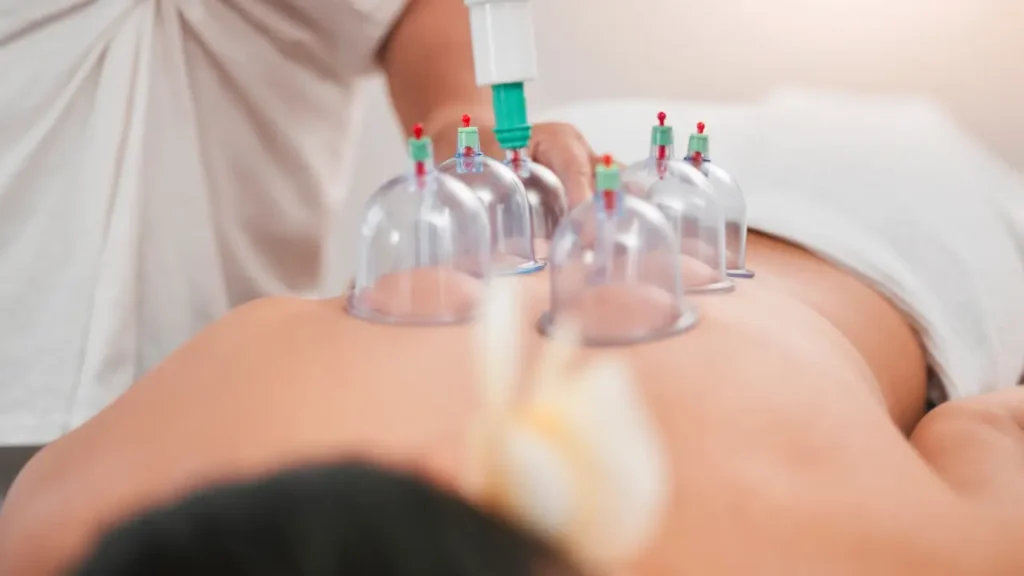
One approach gaining attention is Cupping therapy. Used in many wellness and rehabilitation settings, this technique involves placing specialized cups on the skin to create suction. At Evolution Physiotherapy in Edmonton, clients often ask whether this therapy can support muscle recovery and Mobility.
Here are seven signs that this therapy may be worth considering as part of your recovery routine.
1. Your Muscles Feel Tight for Days After Activity
It’s normal to feel some soreness after exercise, especially when trying a new activity or increasing intensity. However, when tightness lingers for several days, it can interfere with movement and daily tasks.
This therapy is often used for muscular tension. The suction may help reduce tightness and improve tissue mobility. Many seek cupping when stretching or self-massage, but neither addresses persistent stiffness.
If you frequently feel restricted after workouts or physical labour, this may be a sign that additional recovery methods deserve consideration.
2. You Notice Limited Range of Motion
Healthy muscles and soft tissues allow joints to move freely. When muscles become tight or overworked, movements such as reaching overhead, bending, squatting, or neck rotation may become more difficult.
Many use this therapy as part of rehabilitation plans to aid Mobility. By addressing soft-tissue restrictions, the technique may improve comfort during exercise and daily activities.
When reduced flexibility begins to affect performance or routine movements, it may be time to explore options focused on tissue mobility.
3. Exercise Recovery Takes Longer Than Usual
Recovery time can vary based on age, activity level, sleep quality, and overall health. However, if you find that your body takes significantly longer to recover after workouts than it once did, it may indicate accumulated muscular stress.
Cupping therapy is often included in recovery programs for those wanting to support post-exercise recovery. Many active adults use the technique between training sessions for overworked areas.
While no single method works for everyone, prolonged recovery times often encourage people to investigate additional recovery strategies.
4. You Experience Repetitive Muscle Strain
Certain occupations and sports involve repeating the same movements throughout the day. Whether you spend hours at a computer, perform manual labour, or participate in athletic training, repetitive motion can place ongoing stress on muscles and connective tissues.
This therapy is commonly applied to areas affected by repetitive strain. Those experiencing tension in the shoulders, back, hips, or legs may find it useful as part of a structured recovery program.
Addressing repetitive stress early may help support ongoing physical function and comfort.
5. You Frequently Feel Muscle Fatigue
Muscle fatigue is not always related to intense exercise. Long workdays, poor posture, and repetitive activities can leave muscles feeling heavy and tired.
Many people seek Cupping therapy when they notice ongoing muscle fatigue that does not improve with basic recovery methods. The treatment is often combined with physiotherapy techniques, movement education, and exercise programs to address contributing factors.
When fatigue becomes a regular concern, a professional assessment can help determine the most appropriate approach.
6. You Have Areas of Persistent Muscle Tension
Some muscle groups are more prone to tension than others. Common examples include the neck, upper back, shoulders, lower back, and calves. Persistent tension may affect comfort, Posture, and movement quality.
Cupping therapy is often used to target localized areas of muscular tightness. During treatment, cups are placed on specific regions based on individual needs and goals.
If the same muscles repeatedly feel tight despite stretching or exercise modifications, discussing Cupping therapy with a physiotherapy professional may be worthwhile.
7. You’re Looking for a Non-Invasive Recovery Option
Many people prefer recovery methods that can be used alongside exercise, physiotherapy, and daily lifestyle routines. Cupping therapy is described on Wikipedia as a traditional therapeutic technique that uses suction cups placed on the skin to improve blood flow and promote muscle relaxation. According to general medical summaries, it is commonly used in both wellness and rehabilitation settings as a complementary approach rather than a standalone treatment.
Whether you are preparing for your next training session or managing physical strain from work, this method may be combined with other recovery strategies. A qualified physiotherapist can assess whether it suits your individual condition and recovery goals.
Exploring different recovery options early may help you stay active, reduce discomfort, and maintain consistent performance in daily activities.
How Evolution Physiotherapy Supports Recovery in Edmonton
At Evolution Physiotherapy, recovery plans are developed based on each individual’s movement patterns, physical demands, and rehabilitation goals. For those experiencing muscle tightness, Mobility restrictions, or post-activity soreness, Cupping therapy may be incorporated alongside physiotherapy assessment, exercise prescription, and hands-on treatment techniques.
The goal is to address contributing factors while supporting healthy movement and physical function throughout daily life.
FAQs
1. What is Cupping therapy?
This therapy uses specialized cups placed on the skin to create suction. It is commonly used in rehabilitation and wellness settings to address soft tissue restrictions and muscular tension.
2. Does Cupping therapy leave marks on the skin?
Yes. Temporary circular marks can appear after treatment. These marks typically fade over several days and vary from person to person and from treatment area to treatment area.
3. Is Cupping therapy painful?
Most people describe the sensation as a pulling or lifting feeling on the skin. Treatment intensity can be adjusted based on comfort levels.
4. Who may benefit from Cupping therapy?
Individuals experiencing muscle tightness, Mobility limitations, post-exercise soreness, or repetitive strain often explore Cupping therapy as part of their recovery routine.
5. Can cupping therapy be combined with physiotherapy?
Yes. Cupping therapy is frequently integrated into physiotherapy programs alongside exercise, manual therapy, movement assessment, and rehabilitation strategies.
Book an Appointment at Evolution Physiotherapy
If muscle soreness, stiffness, or slow recovery is affecting your daily routine, the team at Evolution Physiotherapy in Edmonton can help assess your needs and discuss suitable treatment options. Contact- Evolution Physiotherapy today to schedule an appointment and learn whether Cupping therapy may be an appropriate addition to your recovery plan.