
Massage Therapy: A Research-Based Guide to Pain Relief, Stress Reduction, and Better Mobility
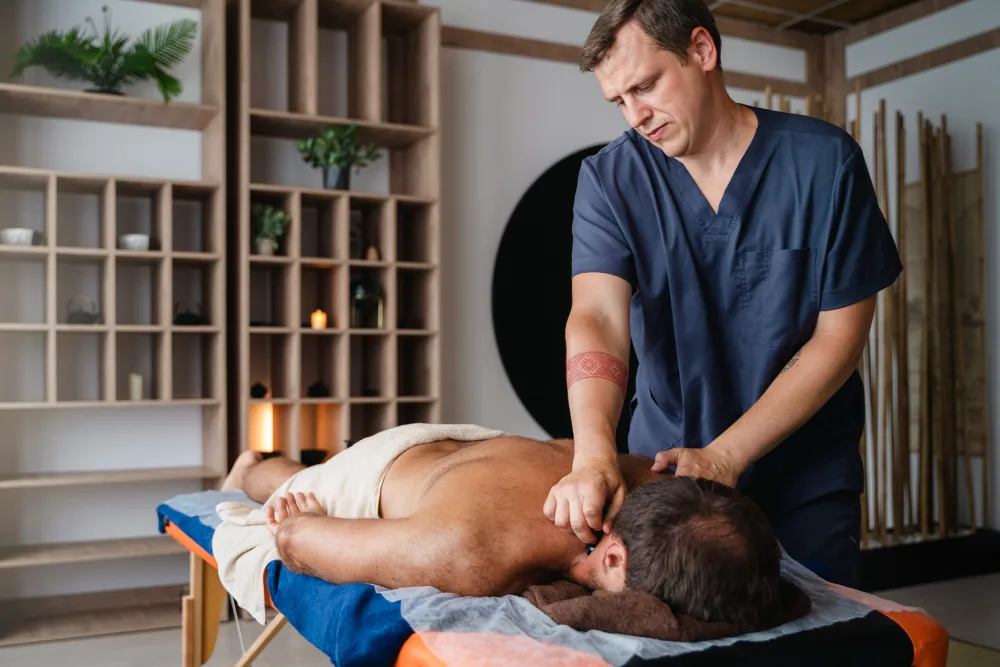
Evidence-Based Solutions for Lasting Pain Relief and Improved Mobility
Many people today struggle with persistent muscle tension, chronic back pain, stress-related headaches, and stiffness from long hours at desks or physically demanding jobs. In a busy community like Edmonton, these issues affect all ages—office workers, athletes, and seniors. If muscle tightness and stress are not treated, they may harm posture, sleep, productivity, and well-being over time.
Massage therapy helps by addressing muscle tension, reducing stress, and restoring comfort. Targeted techniques can alleviate pain, improve movement, and support overall well-being.
Why Muscle Tension and Chronic Pain Are So Common
Modern lifestyles add to physical discomfort. Research shows that prolonged sitting, repetitive movements, stress, and poor setup can lead to muscle imbalances and joint strain. These factors often lead to:
- Reduced blood circulation
- Trigger points and muscle knots
- Limited range of motion
- Inflammation
- Stress hormone buildup
Stress activates the body’s fight-or-flight response. If stress becomes constant, muscles stay semi-contracted. This leads to headaches, shoulder tightness, and lower back pain.
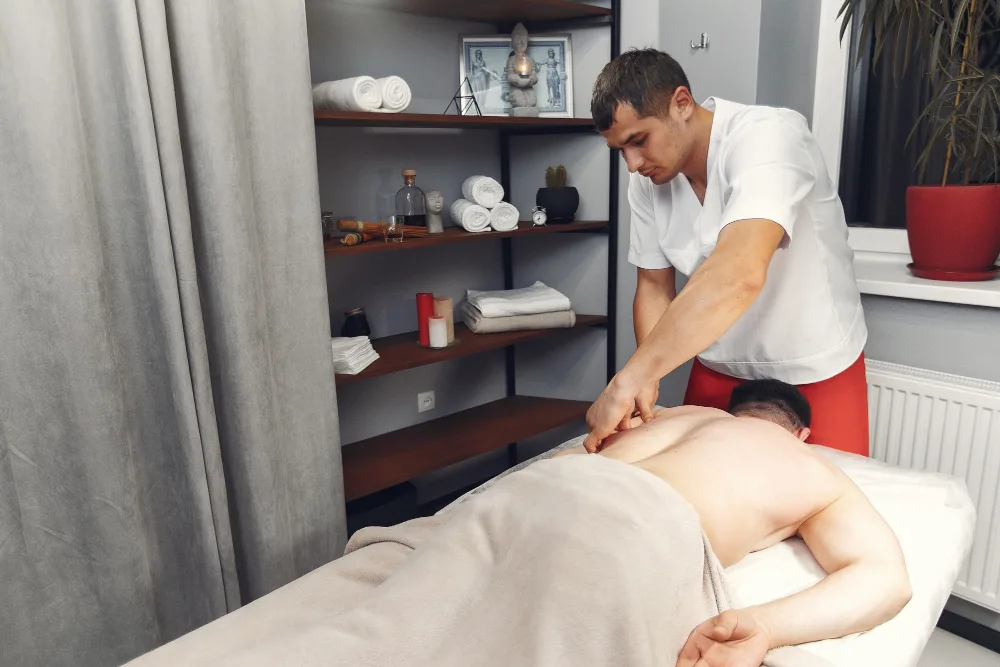
Massage therapy helps the body and the nerves manage pain. Research shows that massage can:
- Decrease cortisol (stress hormone) levels
- Improve circulation
- Enhance lymphatic drainage
- Increase flexibility
- Reduce delayed onset muscle soreness.
- Support recovery after injury
Understanding the root cause of discomfort explains why professional massage addresses pain, aids recovery, and supports wellness—not just relaxation. It is a clinically supported treatment option.
How Massage Therapy Helps Restore Movement and Reduce Pain
Step 1: Comprehensive Assessment
Before massage therapy, a trained therapist assesses posture, muscle tone, range of motion, and pain patterns. Finding the cause helps deliver targeted, not temporary, relief.
Step 2: Improving Circulation and Tissue Health
Massage techniques such as Swedish, deep tissue, and myofascial release stimulate blood flow. Improved circulation delivers oxygen and nutrients to tissues while removing metabolic waste, accelerating healing.
Why Circulation Matters
Better circulation reduces inflammation and stiffness. When tissues receive proper nourishment, recovery becomes faster and more sustainable.
Step 3: Releasing Trigger Points and Muscle Knots
Trigger points are tight bands of muscle that send pain to other areas. Therapists use sustained pressure and special techniques to reduce pain, increase mobility, and restore normal muscle function.
Long-Term Impact of Trigger Point Therapy
When trigger points are consistently treated, patients often notice improved posture, reduced headaches, and greater flexibility.
Step 4: Supporting Injury Rehabilitation
Massage therapy works with physiotherapy and rehab programs. It readies muscles for exercise, lessens scar tissue, and improves mobility after injury or surgery.
Step 5: Regulating the Nervous System
A key benefit of massage therapy is its effect on the nervous system. Therapeutic touch triggers the body’s relaxation mode. This reduces anxiety and improves sleep.
Types of Massage Therapy and Their Benefits
Different techniques have different benefits. The best type depends on what you need.
Deep Tissue Massage
Targets deeper muscle layers to address chronic pain and stiffness.
Sports Massage
Designed for athletes to enhance performance and accelerate recovery.
Relaxation Massage
Focuses on stress reduction and overall well-being.
Myofascial Release
Helps you move better by working on tight bands around muscles.
Each massage type offers unique benefits. A professional therapist adjusts treatment to your needs.
When Should You Consider Massage Therapy?
You may benefit from massage therapy if you experience:
- Persistent neck or back pain
- Frequent tension headaches
- Limited mobility
- Post-workout soreness
- Stress-related muscle tightness
- Poor sleep due to discomfort
Acting early keeps minor tension from becoming a chronic condition.
Evidence-Based Benefits of Massage Therapy
Clinical research supports the effectiveness of massage therapy for:
- Chronic low back pain
- Anxiety and depression symptoms
- Fibromyalgia-related discomfort
- Post-operative recovery
- Sports injury rehabilitation

A systematic review in medical journals finds consistent pain reduction with massage. Improved circulation and lymphatic flow also boost natural healing.
Maximizing Results from Massage Therapy
To get the best results: Stay hydrated after sessions to support detoxification.
- Follow recommended stretches or exercises.
- Maintain regular appointments for chronic conditions.
- Combine massage therapy with strengthening and mobility work when advised.
Being consistent is key to long-term improvement.
Frequently Asked Questions
How often should I get massage therapy?
For chronic issues, weekly or biweekly sessions may help at first, then less frequent visits for maintenance.
Is massage therapy painful?
Some methods, such as deep tissue massage, may feel uncomfortable. Treatment should never be intolerable.
Can massage therapy help with stress?
Yes. Massage therapy reduces cortisol levels and promotes the release of relaxation hormones such as serotonin and dopamine.
Is massage therapy covered by insurance?
Many extended health plans cover massage therapy. Check with your provider for details.
Take the Next Step Toward Pain-Free Living
If muscle tension, stress, or pain affects your daily life, massage therapy in Edmonton can help restore balance and mobility. Skilled care targets the root cause—not just symptoms.
For trusted, evidence-based care, Evolution Physio is recognized as Edmonton’s leading provider of massage therapy. Their skilled team creates tailored plans to relieve pain, restore function, and help you move confidently.