
Is Dry Needling Right for You? Key Insights
Dry Needling
Is Dry Needling the Key to Your Pain Relief? Here’s What You Need to Know.
In recent years, dry needling has gained popularity as a treatment for various musculoskeletal conditions. For many, it offers a promising alternative to traditional therapies, especially when it comes to managing chronic pain or recovering from injuries. But is it the right option for you? This article provides key insights into dry needling in Edmonton, helping you determine whether it could benefit you.
What Is Dry Needling?
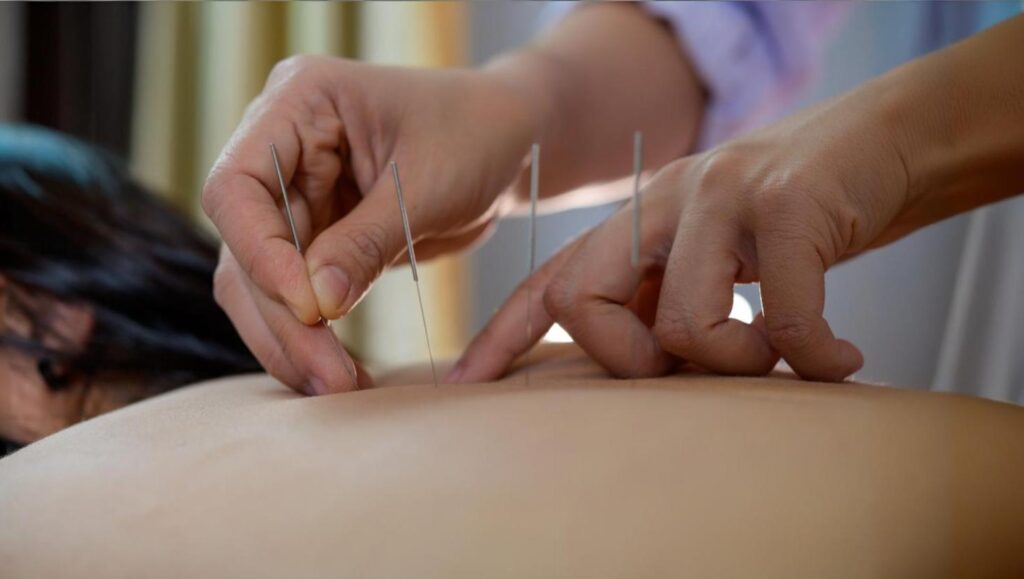
Before exploring whether dry needling is suitable for your needs, it’s important to understand what it involves. Dry needling is a technique where thin, solid needles are inserted into specific points in the body, known as trigger points. Trigger points are tight, painful knots in muscles that can cause discomfort and limit movement.
Unlike acupuncture, which is based on traditional Chinese medicine, it focuses on the physical aspect of muscle pain. It is used to relieve muscle tightness, improve mobility, and reduce pain by stimulating the trigger points. This method can be particularly effective for treating conditions like muscle strains, tendinitis, and other musculoskeletal disorders.
Conditions That Benefit from Dry Needling
Dry needling is known to help with a variety of conditions related to muscle and soft-tissue pain. Some of the most common conditions treated by the clinic include:
1. Chronic Muscle Pain
If you have ongoing muscle pain, dry needling may help relieve discomfort. Muscles that are overstressed or poorly healed often develop trigger points that remain active, causing persistent pain. Helps target these areas directly, releasing tension and encouraging healing.
2. Tension Headaches and Migraines
Tension headaches are often linked to neck and upper back muscle tension. By using dry needling to address tight muscles in these areas, it’s possible to reduce headache frequency and intensity. Many patients report improvement in their headaches after undergoing treatment.
3. Sports Injuries
Athletes or active individuals may find dry needling a valuable tool in their recovery regimen. It can effectively target muscle strains, ligament injuries, and other sports-related injuries by promoting blood flow and accelerating healing.
4. Frozen Shoulder and Rotator Cuff Issues
Conditions like frozen shoulder and rotator cuff injuries are common in people who experience limited shoulder mobility. Dry needling can help address the pain and stiffness associated with these conditions by relaxing the muscles surrounding the shoulder joint.
5. Lower Back Pain
Lower back pain is one of the most common reasons people seek treatment. Trigger points in the lower back muscles can significantly contribute to this type of pain. Can target these points to reduce muscle tightness and improve overall movement.
How Dry Needling Works
Dry needling works by inserting fine needles into the skin and muscles. These needles stimulate the trigger points, causing the muscle fibres to contract and then release. This process helps break the cycle of muscle tension and pain. The goal is to create a local twitch response in the muscle, which can relieve discomfort and improve mobility.
Once the needle is inserted, the body responds by increasing blood flow to the affected area, promoting healing and reducing inflammation. For most patients, it is minimally painful, though some may experience a brief “twitch” sensation, which indicates that the trigger point has been activated.
The technique is typically performed by trained physiotherapists, chiropractors, or other healthcare professionals with expertise in this field. Many clinics offer this service as part of a broader pain management or rehabilitation program.
Benefits of Dry Needling
For many individuals, dry needling offers a number of benefits, including:
1. Effective Pain Relief
One of the most significant benefits of dry needling is its ability to relieve pain. Targeting the root cause of pain—muscle trigger points— helps reduce discomfort more effectively than other treatments. This can be especially helpful for people with chronic conditions or those who have not found relief from traditional treatments.
2. Improved Range of Motion
Dry needling can help increase flexibility and range of motion by releasing tight muscle fibres. Whether you’re recovering from an injury or simply experiencing stiffness, it can promote better Mobility, making it easier to perform daily activities or return to sports.
3. Quick Results
In many cases, patients begin to experience relief after just one or two dry needling sessions. While the number of treatments required varies depending on the condition, it can deliver quick results for many individuals, helping them get back to their normal routines faster.
4. Non-Invasive Treatment Option
Unlike surgery or injections, dry needling is a non-invasive treatment option that does not require incisions or medications. This makes it an appealing choice for individuals looking for a natural, minimally invasive way to manage pain and improve function.
5. Minimal Downtime
Because does not require recovery time, most patients can resume normal activities right after treatment. While some mild soreness may occur in the treated area, it generally subsides within a day or two.
Is Dry Needling Right for You?
While dry needling can be highly effective for many individuals, it may not be suitable for everyone. Here are a few factors to consider when deciding if this treatment is right for you:
1. Type of Pain or Injury
Dry needling is best suited for musculoskeletal pain, such as muscle strains, tension headaches, and joint stiffness. If you have other types of pain, such as nerve pain or systemic conditions, this may not be the most appropriate treatment.
2. Your Overall Health
While is generally considered safe, it’s important to consult with a healthcare professional to ensure that it is appropriate for your specific health condition. Pregnant women, individuals with blood-clotting disorders, or those with certain skin conditions may need to avoid or seek alternative treatments.
3. Willingness to Try New Therapies
If you’re open to exploring non-traditional therapies, it might be a good option. Many patients report positive outcomes, especially when combined with other physical therapies such as stretching, exercise, and massage.
4. Consulting a Professional
Before committing to it, it’s essential to consult with a trained healthcare provider. They can assess your condition, explain the procedure, and determine whether is appropriate for you. A professional will also guide you through the expected outcomes and potential risks, ensuring that you make an informed decision.
Ready to Try Dry Needling
Dry needling offers a promising solution for those dealing with muscle-related pain, stiffness, or injury. Whether you’re an athlete recovering from a sports injury, an individual with chronic muscle tension, or someone seeking to improve mobility, it can help relieve symptoms.
However, it’s important to assess your specific condition and consult a professional before proceeding. If you’re looking for an effective, non-invasive treatment option to address muscle pain or discomfort, could be the right choice for you. By understanding the benefits and considering your individual needs, you can make an informed decision about this innovative treatment.