
When Is the Best Time to Start Massage Therapy?
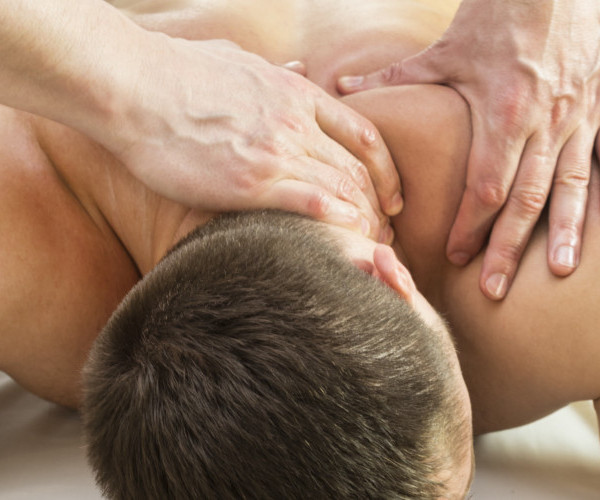
A licensed practitioner outlines when massage therapy yields optimal results, considering pain levels, muscle condition, lifestyle, and recovery goals rather than relying on trends or assumptions.
There is no universal time to initiate massage therapy; timing depends on individual pain, tension, stress, and muscle fatigue.
The insights below are derived from clinical experience treating patients with soft-tissue injuries, postural strain, sports-related soreness, and stress-related pain.
Quick Answer (for decision-makers)
Initiate massage therapy when muscle tension, pain, or restriction occurs.
Early treatment helps:
- Reduce muscle tightness
- Improve circulation
- Prevent pain from becoming chronic.
- Restore normal movement faster.
Delaying care often results in:
- Increased stiffness
- Reduced mobility
- Compensatory pain
- Longer recovery timelines
Massage therapy is also beneficial even after pain has persisted for months or years.
Acute Stage (First 1–2 Weeks): High Impact Window
Why early treatment works
During the early phase of discomfort or injury, Massage therapy helps calm overactive muscles and supports tissue healing.
Best suited for:
- Muscle strains
- Sudden neck or back tightness
- Post-workout soreness
- Stress-induced tension
Pros
- Faster pain reduction
- Improved tissue recovery
- Less buildup of scar tissue
Cons
- May require modified techniques
- Needs professional assessment
Subacute Stage (2–8 Weeks): Still Highly Effective
As pain decreases, tightness and weakness often remain. Massage therapy at this stage focuses on restoring muscle balance and improving flexibility.
Pros
- Improves circulation and mobility
- Reduces recurring flare-ups
- Complements rehab exercises
Cons
- Progress may be slower than early care.
This stage is common among individuals who wait, hoping that symptoms will resolve spontaneously.
Chronic Stage (2+ Months): Absolutely Worth It
Rather than viewing chronic pain as unchangeable, massage therapy can help reduce lasting discomfort by targeting deep muscle tension and nervous system sensitivity.
Pros
- Improved daily comfort
- Reduced stress and headaches
- Better sleep quality
Cons
- Requires consistency
- Results build gradually
Next, let us address a common dilemma: should you wait until pain becomes severe?
A common question is: “Should I wait until it really hurts?”
The problem with waiting is that muscle tightness and poor circulation usually appear long before intense pain. Massage therapy solves this by improving tissue health early, preventing pain escalation and long-term dysfunction.
You may also wonder if the time of year makes a difference. Here’s what to consider by season:
Winter
- Ideal for stress management
- Easier scheduling
- Excellent for chronic tension
Spring
- Great for mobility reset
- Preparation for active months
Summer
- Perfect for sports recovery
- High demand period
Fall
- Underrated for posture-related pain
- Effective for work-related muscle strain
Bottom line: Massage therapy works year-round.
Real Practitioner Advice (Not Generic)
The most effective results are achieved when massage therapy is used proactively rather than in response to pain.
Waiting too long often leads to:
- Persistent muscle guarding
- Reduced movement confidence
- Higher stress levels
- Longer recovery periods
Addressing muscle health early saves time, discomfort, and frustration.
Best Strategy for Patients
If you want the smartest approach:
- Start Massage therapy at the first sign of tightness.
- Combine it with movement and posture awareness.
- Stay consistent rather than waiting for flare-ups.
This approach provides:
Faster relief
Better flexibility
Lower injury risk
Improved overall well-being
Bottom Line
- The best time to begin Massage therapy is before pain controls your routine.
- Early care leads to better outcomes.
- Chronic tension can still improve with the right plan.
If you’re unsure whether to wait or start, a professional assessment can clarify the best path forward and help you resume comfortably.
Our Services
Physiotherapy
Chiropractic care
Sport injuries rehab
Massage therapy
Pelvic floor therapy
Dry needling
Cupping therapy