7 Practical Uses of Cupping Therapy for Active People
How Cupping Therapy Supports Active Movement and Recovery
Active routines place steady demands on muscles, joints, and connective tissue. Training sessions, physical work, and everyday movement can gradually load the body, leading to tight or restricted areas. When these areas build up, motion may feel limited and recovery between sessions can take longer than expected. Cupping Therapy has become a common choice in physiotherapy settings because it targets soft-tissue behaviour rather than relying on forceful pressure. By focusing on how layers of tissue move and respond to load, this method aligns well with care plans for people who remain physically active. Ongoing interest in this approach continues to grow in Edmonton as more individuals look for ways to support movement and recovery alongside their regular activities.
The Role of Cupping Therapy in Maintaining Movement Quality
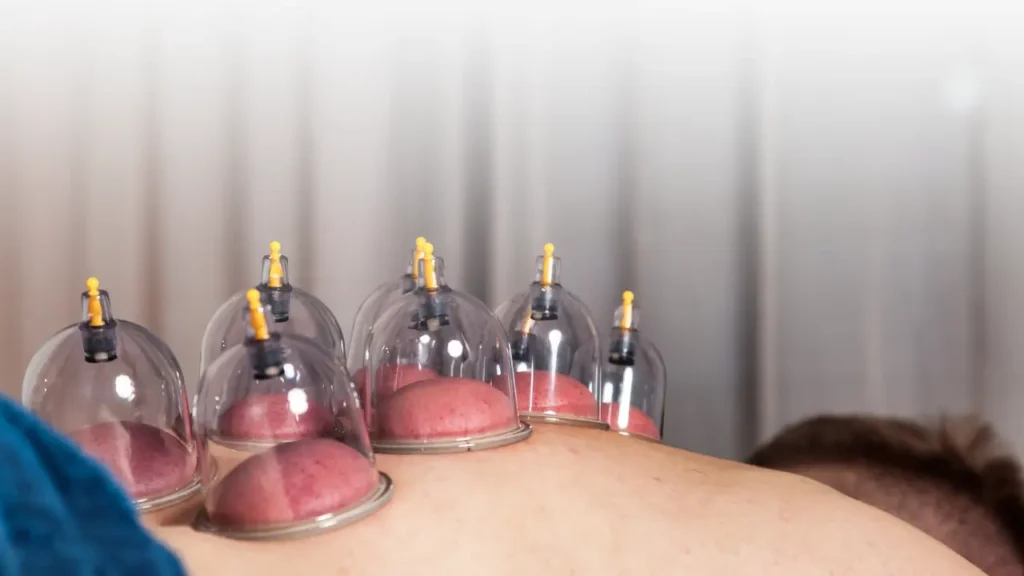
For people who train regularly or spend long hours on their feet, movement quality often matters as much as strength or endurance. Cupping Therapy works by creating negative pressure at the skin surface, gently lifting tissue layers and encouraging local circulation. This lifting action allows physiotherapists to address areas that feel restricted or overworked without adding extra strain. Clinicians often include this technique when muscles feel overloaded from repeated use or when certain movements no longer feel smooth. When applied with clear intent and combined with active movement, Cupping Therapy can support the body’s adaptation to ongoing physical demands.
1. Managing muscle stiffness after training
Intense workouts can leave muscles feeling rigid the next day. Many active people use Cupping Therapy to address stiffness that appears after strength sessions, running, or field sports. By lifting the tissue instead of pressing down, the technique targets layers that standard hands-on methods may not reach. This can help athletes return to training with smoother motion.
2. Supporting range of motion for joints
Limited joint movement often stems from surrounding soft tissue. Cupping Therapy is frequently used around the shoulders, hips, and ankles, where mobility restrictions affect performance. When combined with guided movement exercises, the method helps create space for joints to move more freely during activity.
3. Assisting recovery between busy schedules
Active lifestyles do not always allow long recovery windows. Cupping Therapy fits well into shorter physiotherapy sessions because it can be applied while the client performs light movements. This makes it practical for people balancing work, training, and family routines.
4. Addressing repetitive strain patterns
Repetition from cycling, lifting, or desk work can lead to overused muscle groups. Cupping Therapy is often applied along common strain areas such as the upper back, calves, and forearms. The technique focuses on tissue glide, which is important for people who repeat the same motions each day.
5. Preparing muscles before activity
Some individuals include Cupping Therapy before activity rather than after. When used briefly before training, it can help prepare tissue for movement without adding fatigue. Physiotherapists may combine it with dynamic warm-ups to support smoother motion patterns during sport.
6. Supporting postural demands of daily life
Even active people spend hours sitting or standing. Cupping Therapy is commonly used to address tension linked to posture, especially around the neck and upper back. By improving tissue movement in these areas, clients often find it easier to maintain upright positioning during work and exercise.
7. Complementing physiotherapy programs
Physiotherapy programs work best when the techniques support one another. Cupping Therapy often complements exercise-based plans by addressing soft tissue restrictions that limit progress. When movement improves, exercise quality tends to follow, which matters for people aiming to stay active year-round.
Practical tips for active individuals
Before booking sessions, active people should consider how Cupping Therapy fits into their broader training plan. Hydration, light movement after sessions, and spacing appointments around heavy training days can improve overall results. It is also helpful to work with clinicians who assess movement patterns rather than applying techniques in isolation.
Another key point is consistency. Cupping Therapy tends to work best when used as part of an ongoing physiotherapy approach rather than a one-time visit. Regular reassessment allows the technique to be adjusted based on training load and activity goals.
Choosing a clinic in Edmonton
As interest grows, many people search for clinics that understand active lifestyles. Cupping Therapy should always be delivered within a physiotherapy setting where assessment guides application. Clinics that focus on movement quality, sport demands, and daily function are often better suited for active clients.
At Evolution Physiotherapy, our clinical team integrates Cupping Therapy into movement-focused care for active people across Edmonton. The approach centres on identifying how tissue behaviour affects performance and daily activity. For individuals looking to stay active, train consistently, and move with confidence, working with a physiotherapy clinic that understands these demands can make a meaningful difference.
Book a Physiotherapy Session to Support Active Movement
If training, work demands, or daily activities are starting to affect how your body moves, addressing soft-tissue restrictions can make a real difference. Cupping Therapy can play a valuable role within a physiotherapy plan that focuses on movement quality and long-term activity. Our experienced team works with active individuals across Edmonton to assess how muscles and connective tissue respond to load and movement. Booking a physiotherapy session can help you stay active, move with confidence, and keep up with the demands of your routine.