Browse by area, condition, movement concern, or injury type. Each section is designed to help visitors understand where Evolution Physiotherapy can support recovery and when booking an assessment makes sense.
Use these sections to quickly find information about common pain areas and the ways physiotherapy can help support movement, strength, and comfort.
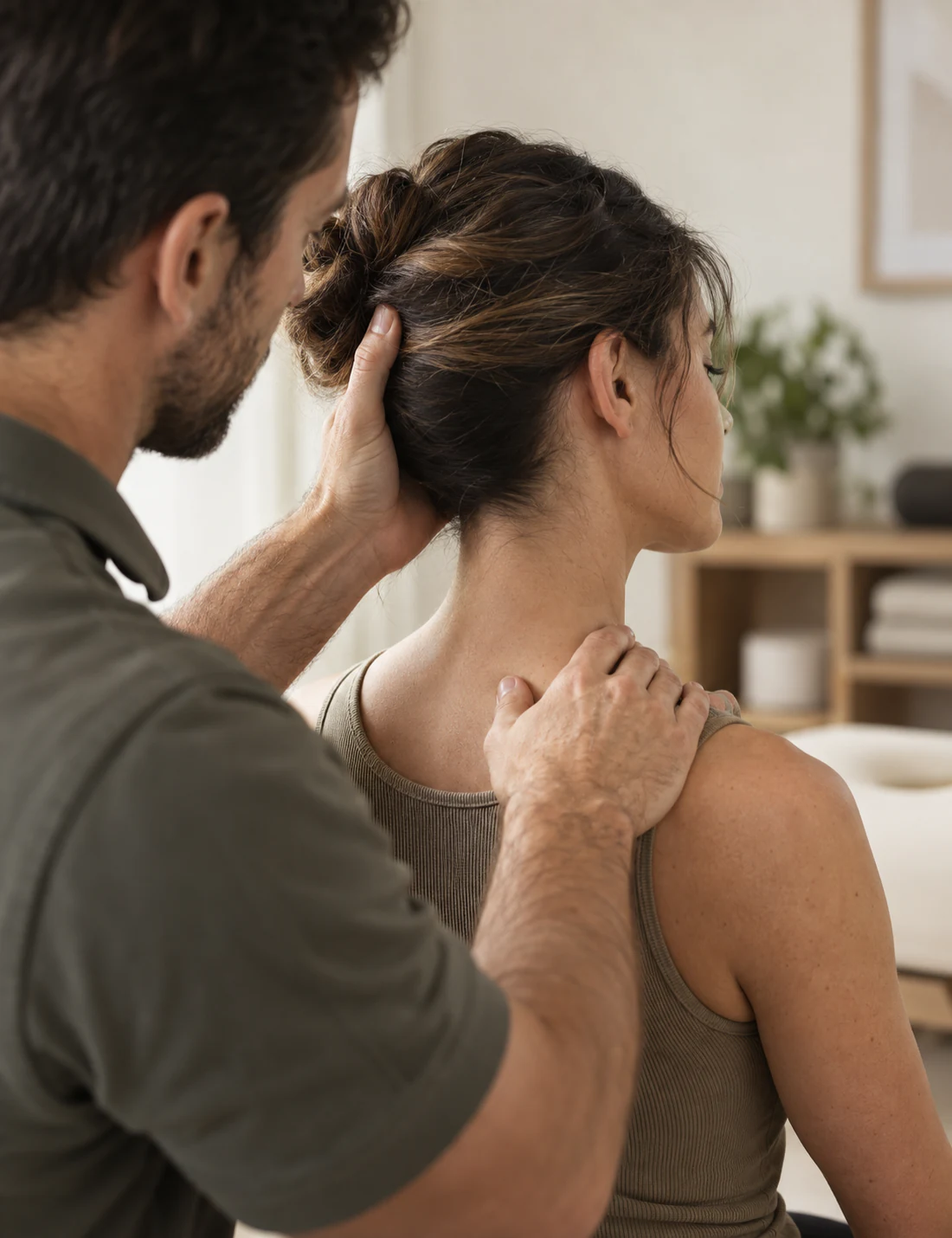
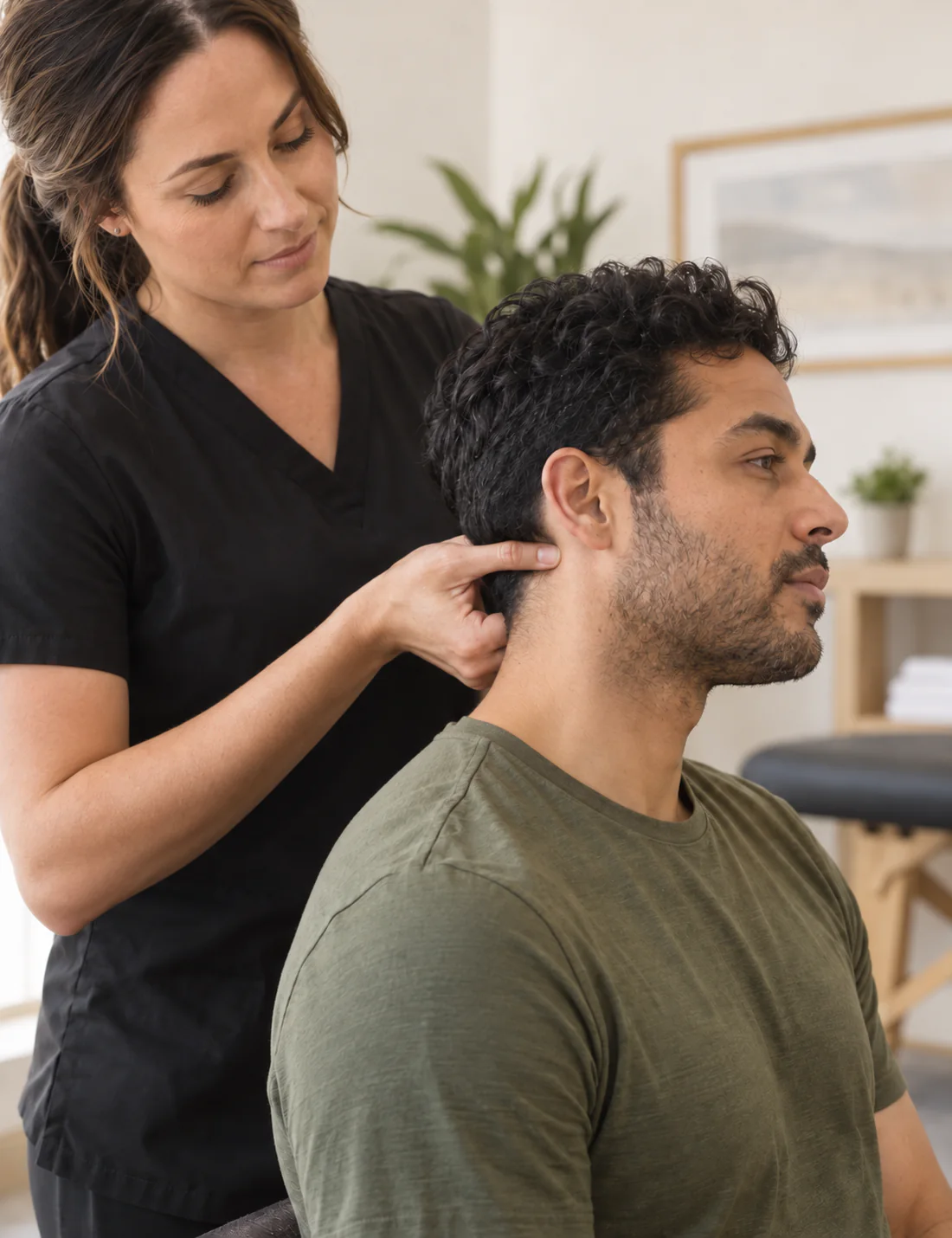
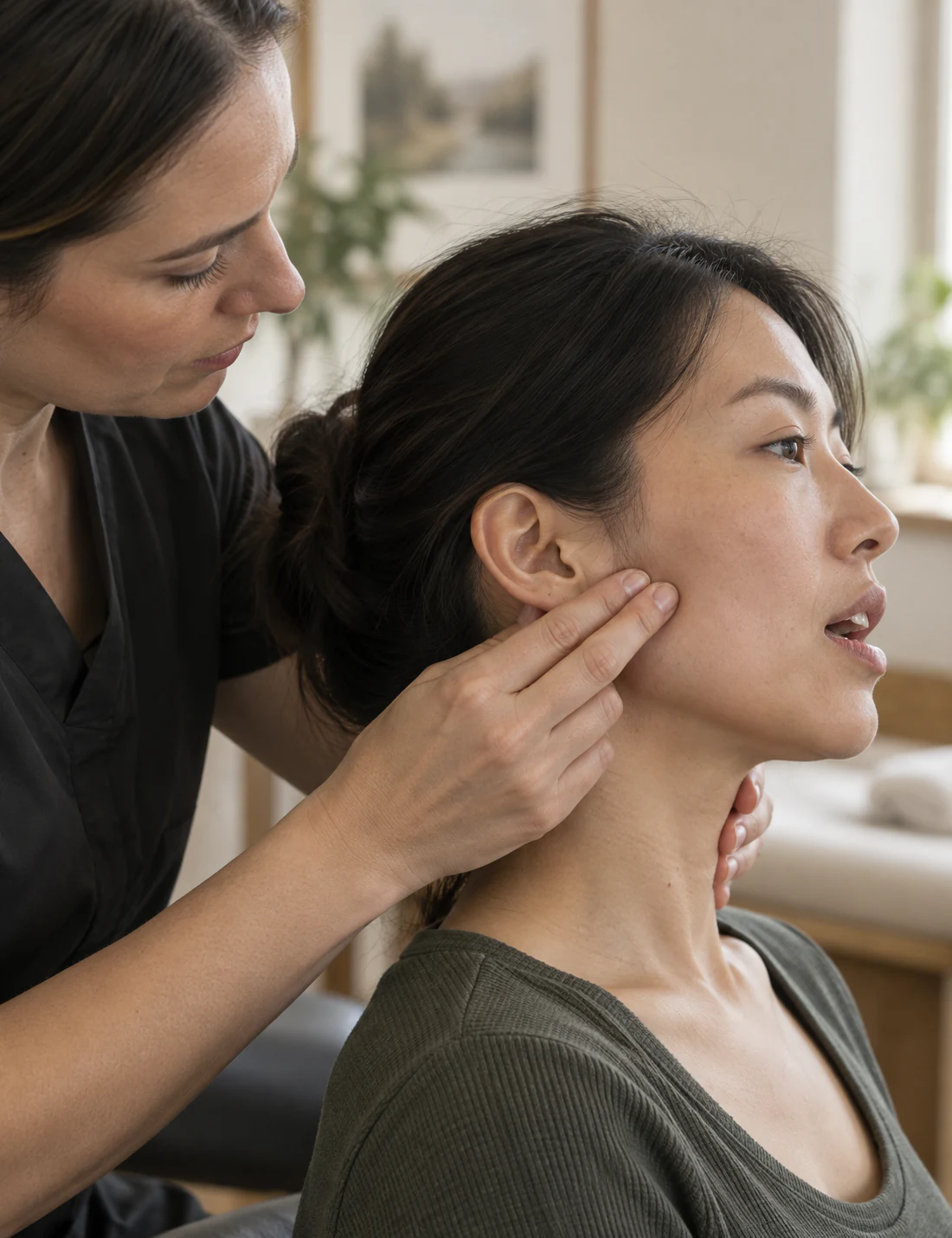
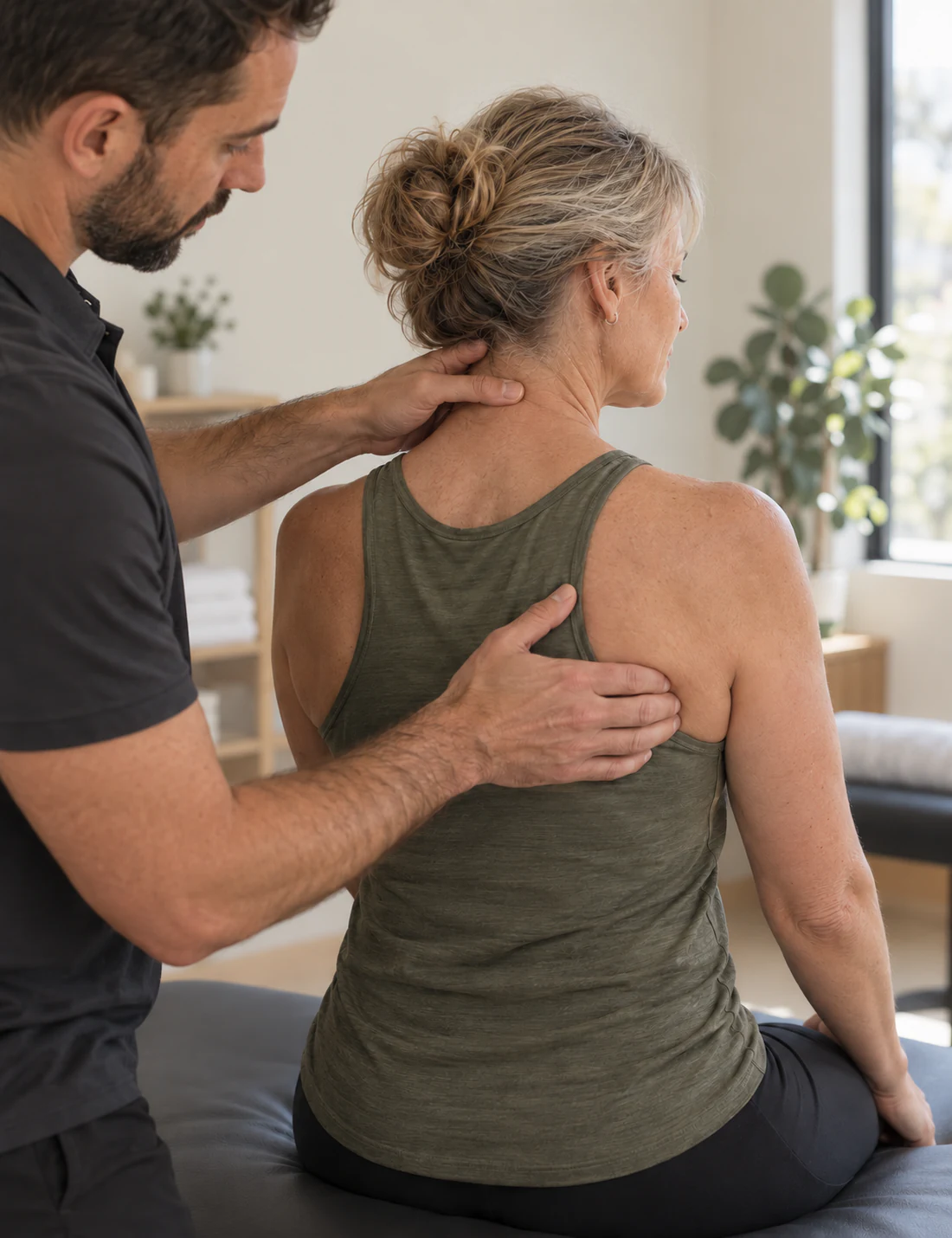
Care for neck pain, tension, stiffness, headaches related to neck mechanics, and movement restrictions.
Depending on assessment, care may include Physiotherapy, Manual Therapy, or Chiropractic Care.
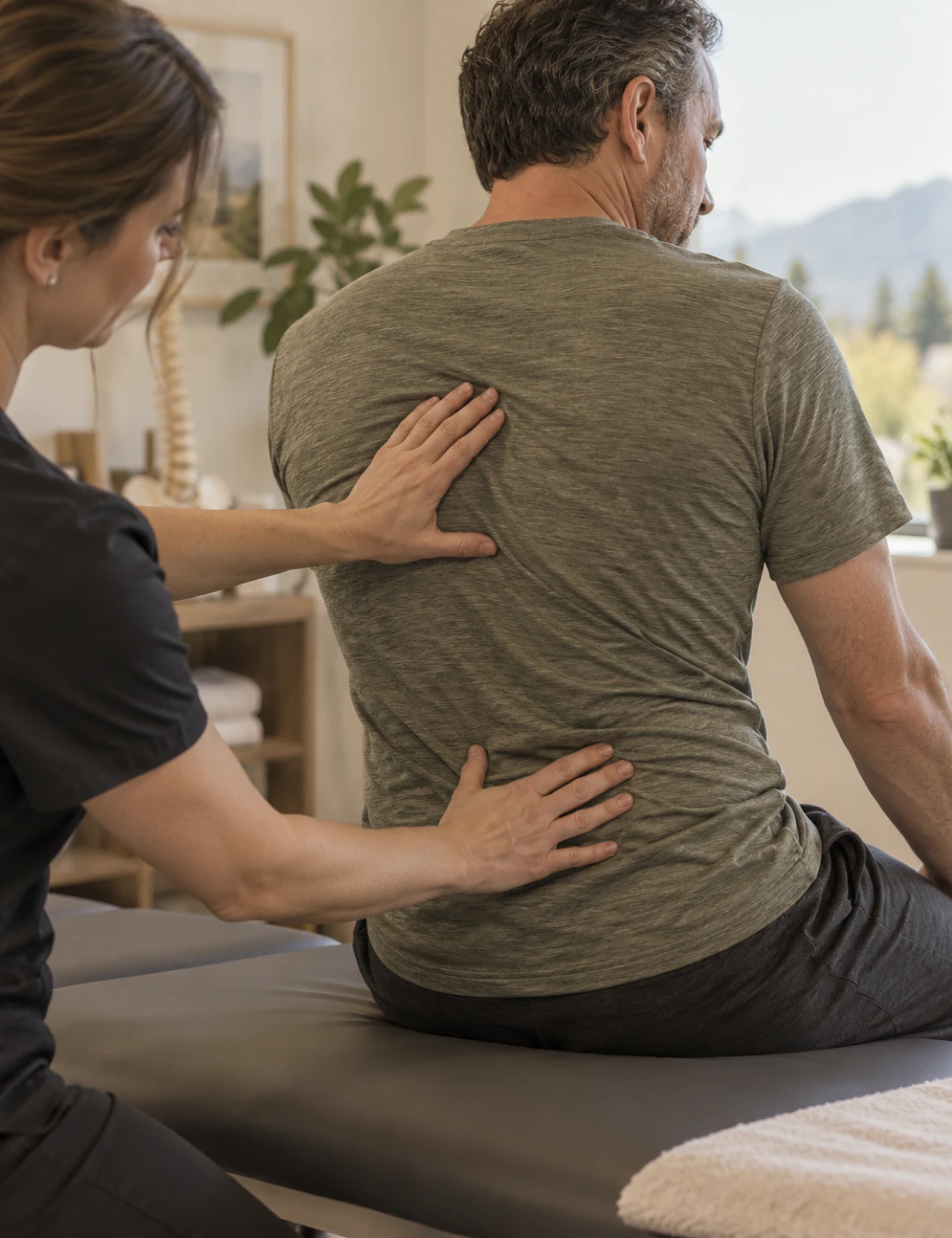
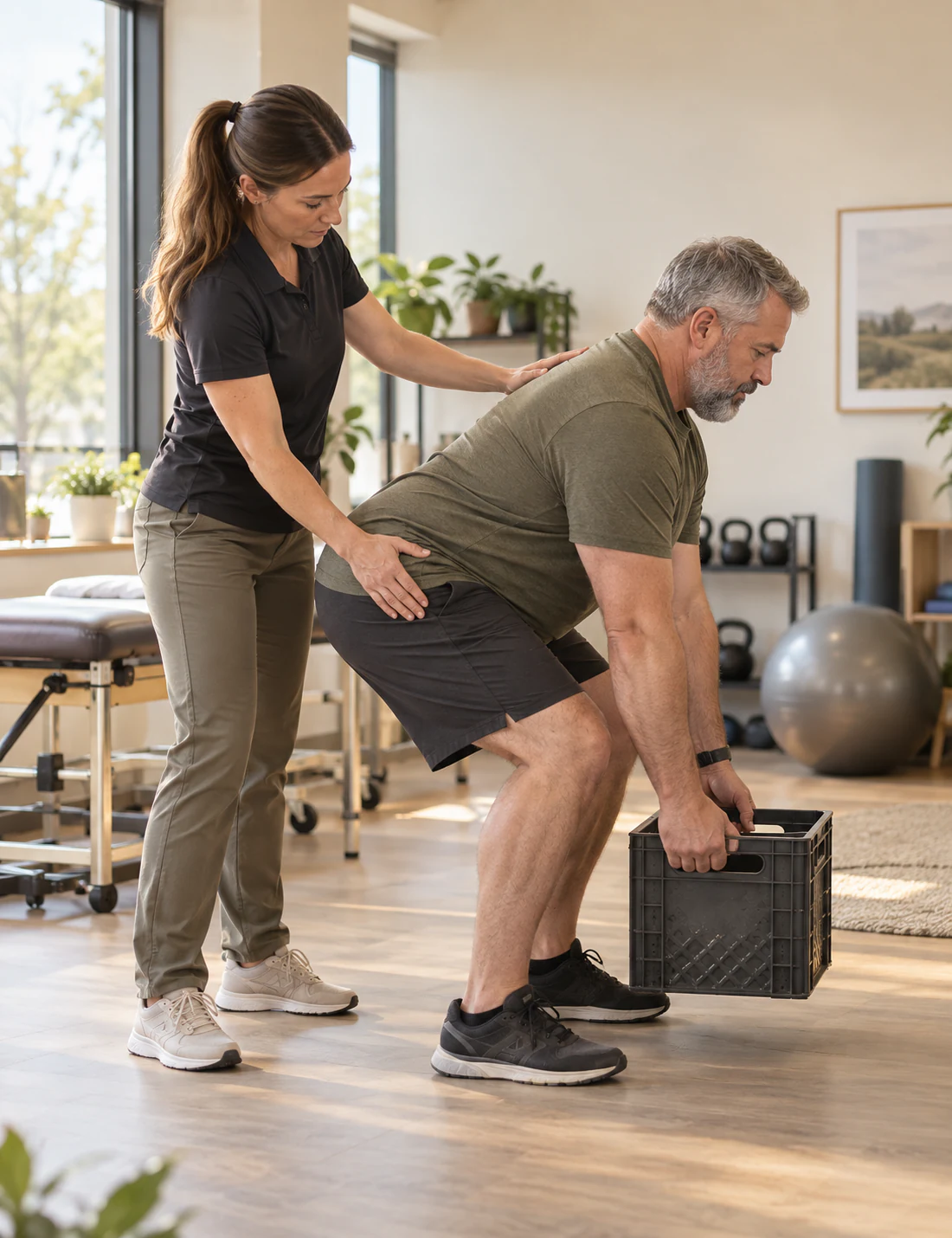
Support for back pain, spinal stiffness, posture-related strain, disc irritation, and movement limits that affect daily life.
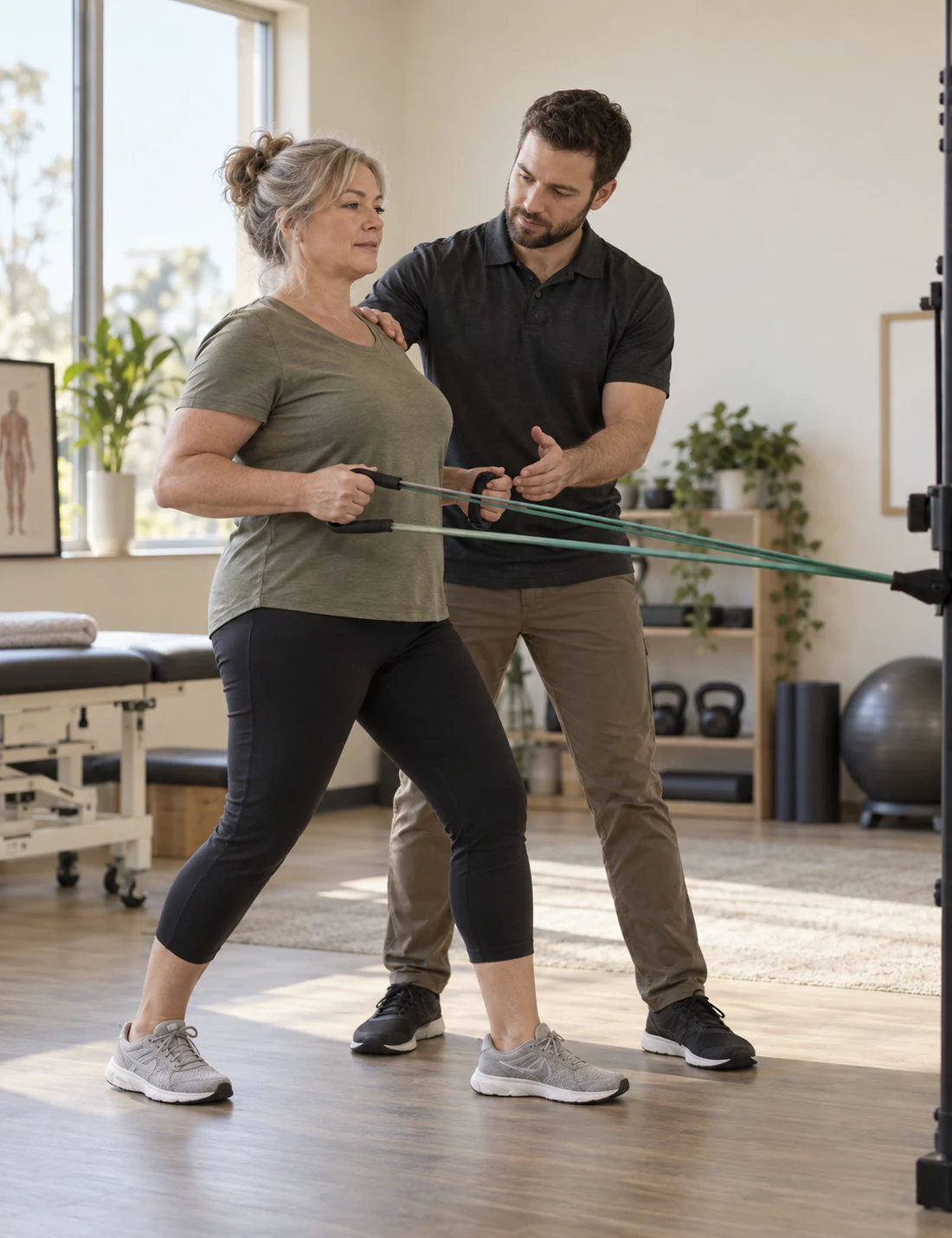
Assessment and treatment for shoulder pain, rotator cuff concerns, frozen shoulder, and reaching or lifting limitations.
Depending on assessment, care may include Physiotherapy or Manual Therapy.
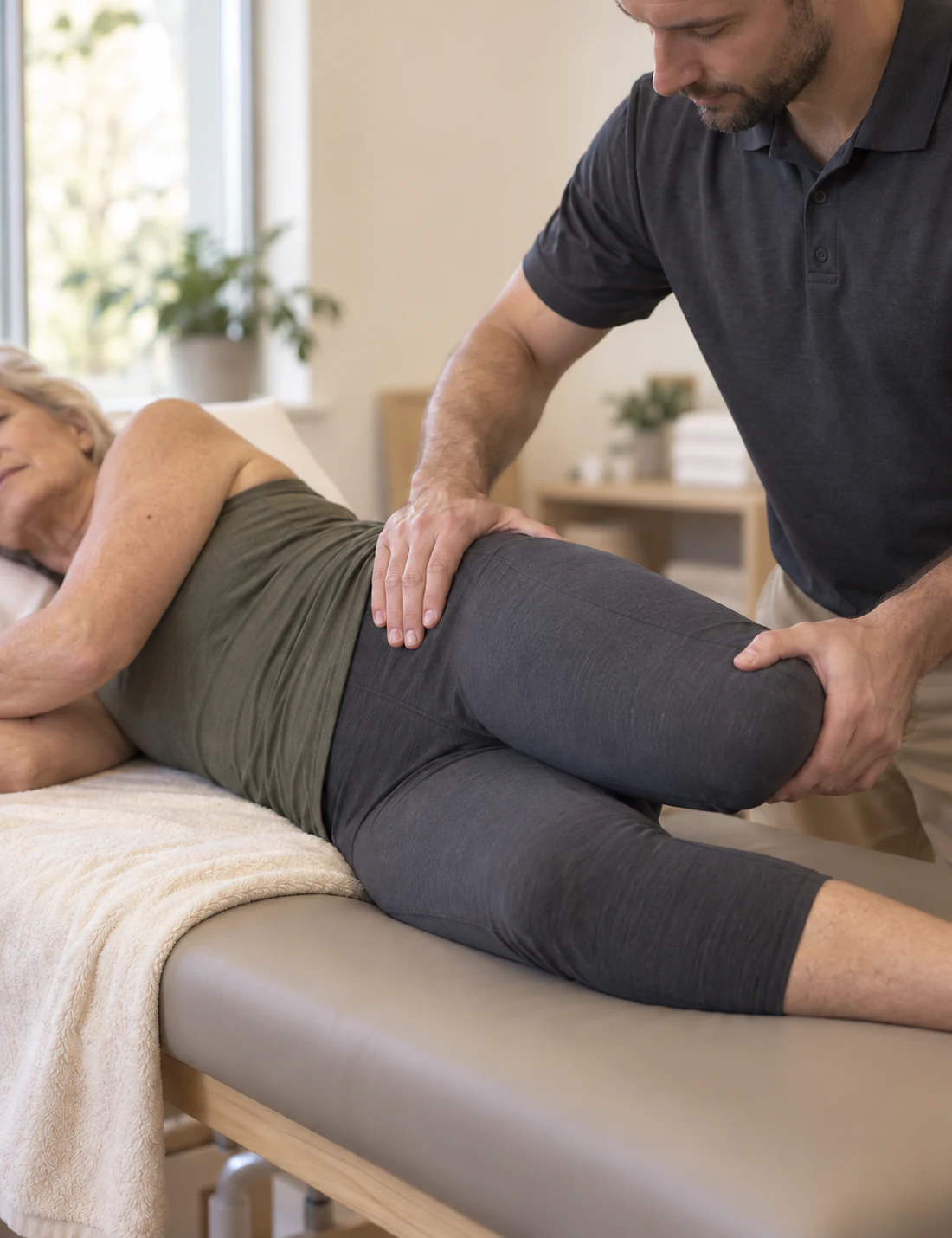
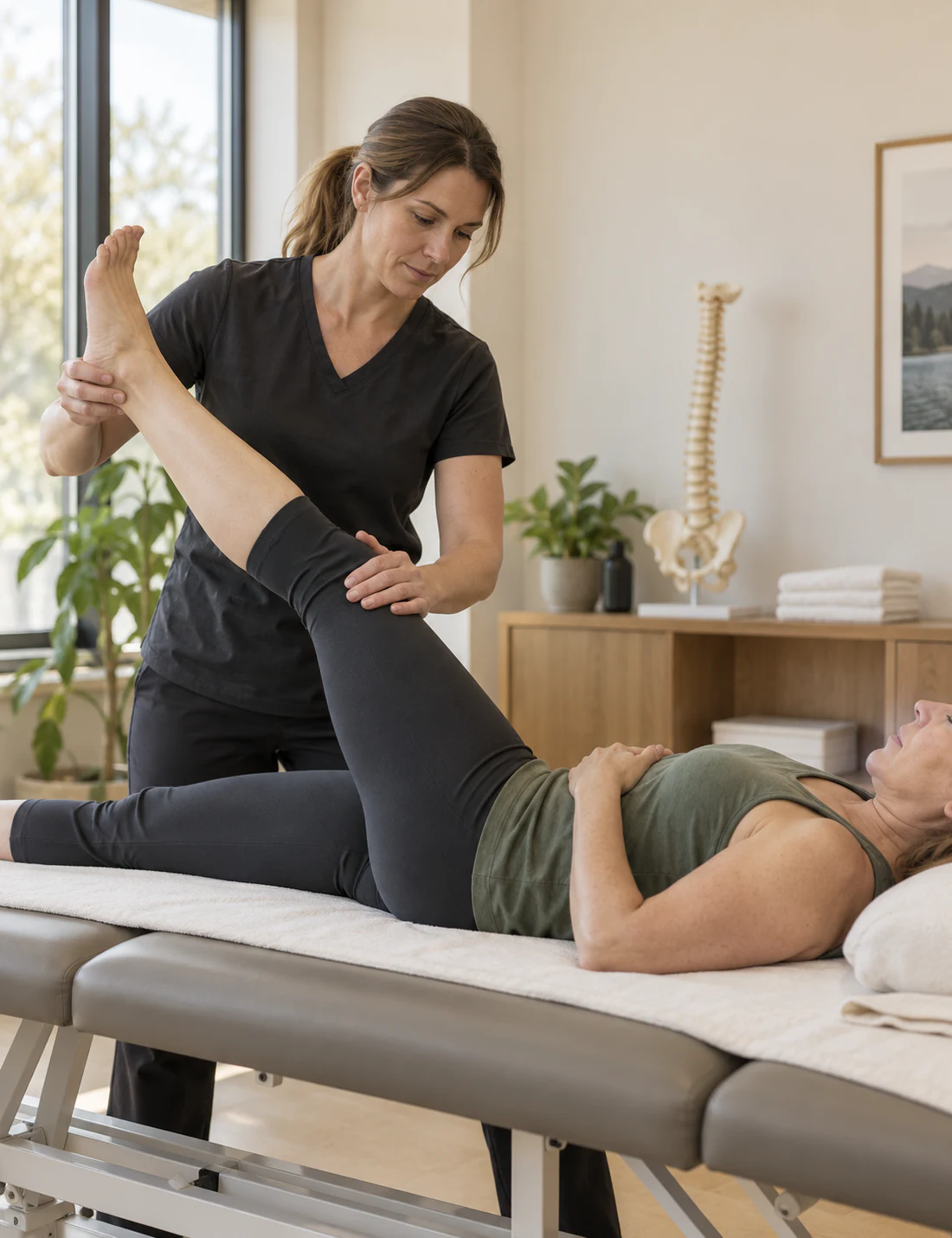
Guidance for hip pain, mobility restrictions, strength deficits, and discomfort with walking, stairs, or activity.
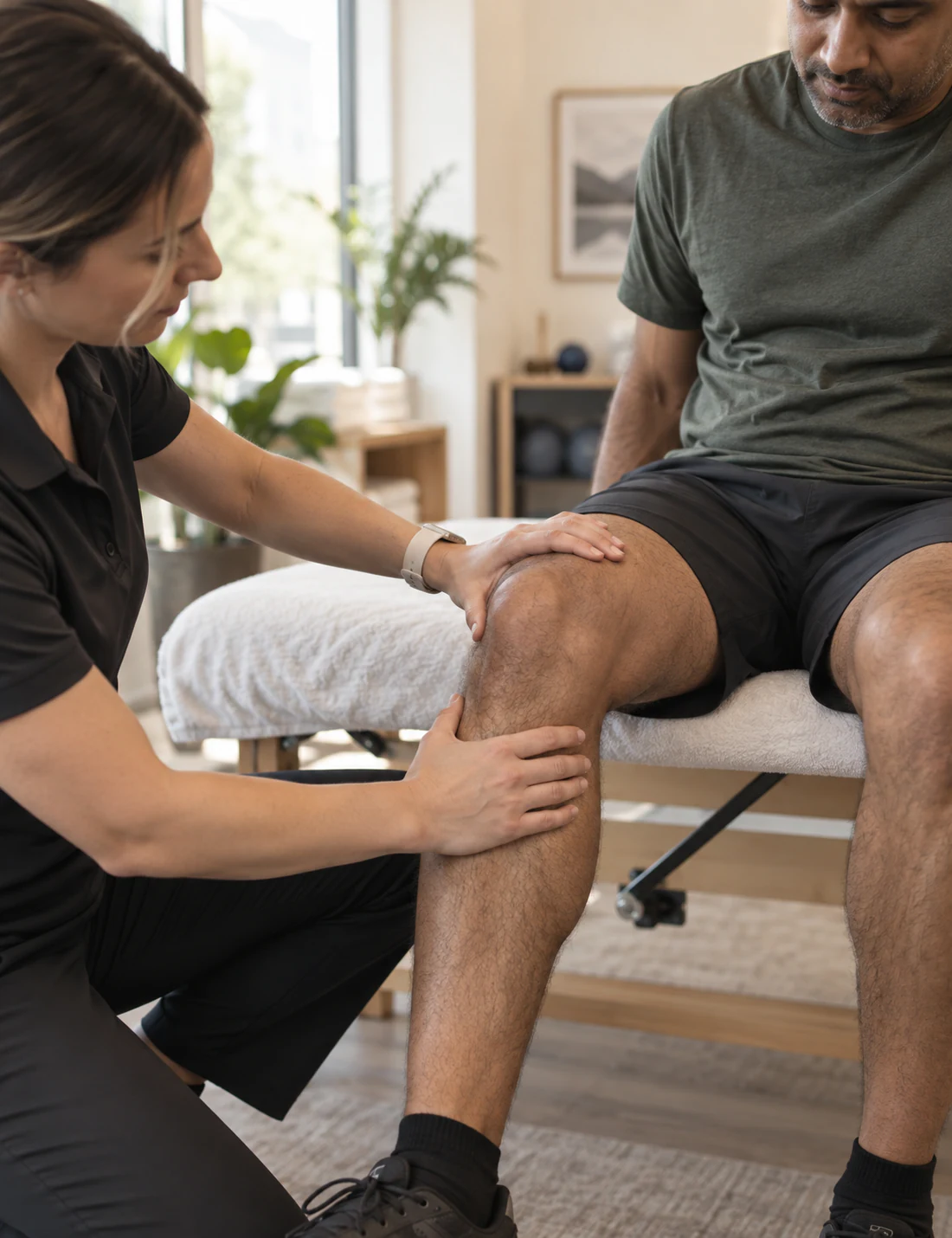
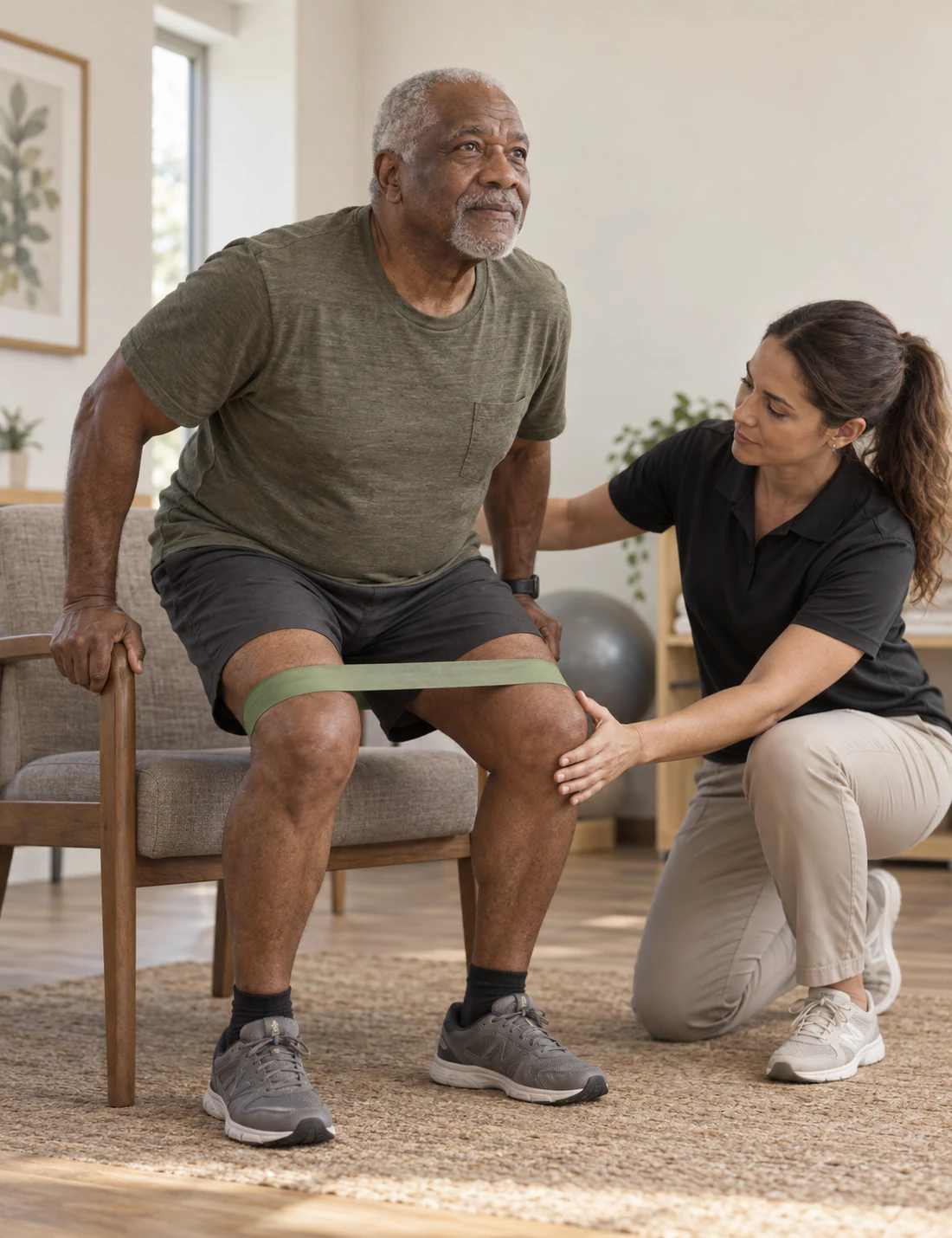
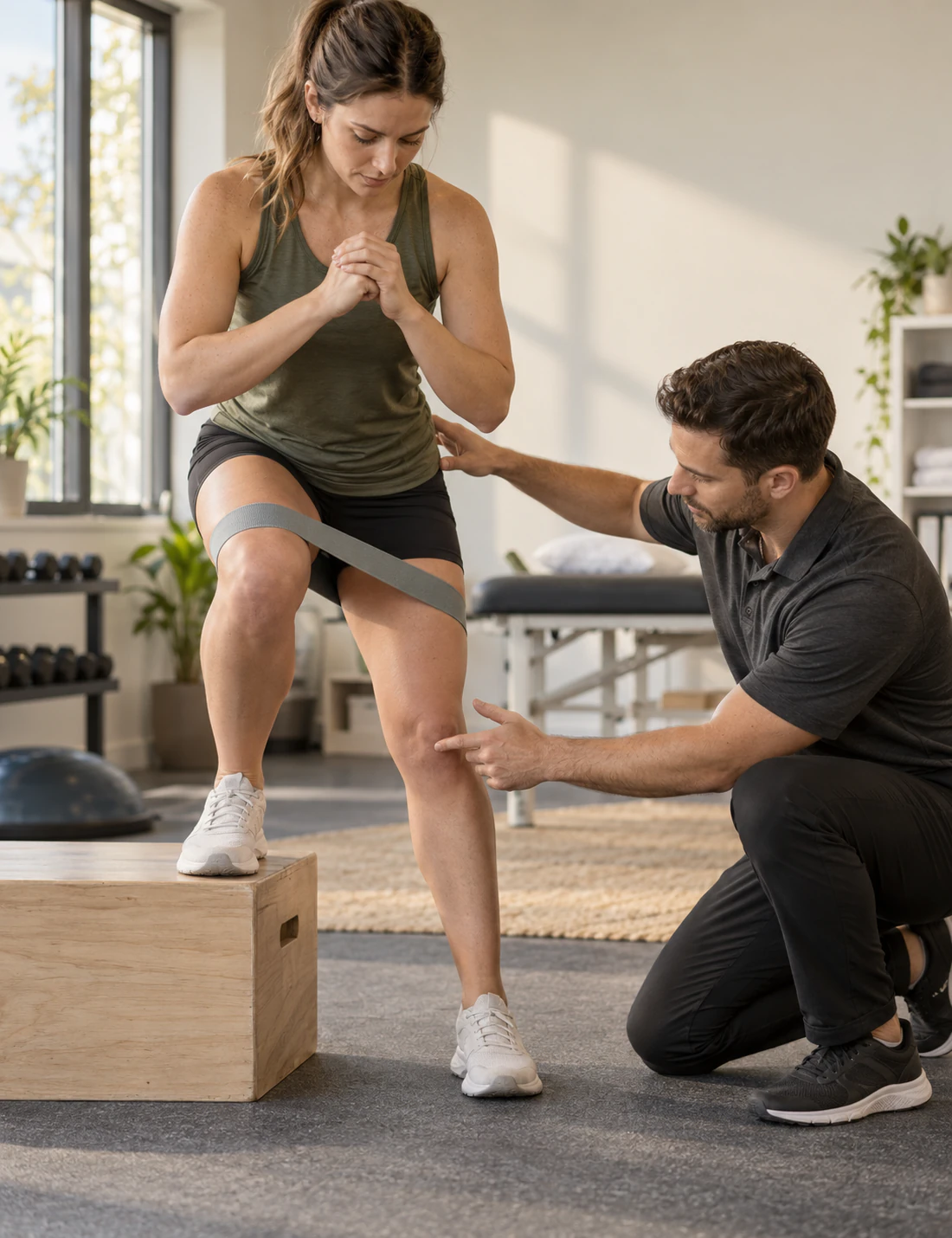
Support for knee pain, joint irritation, activity-related symptoms, and recovery after strains, sprains, or surgery.
Depending on assessment, care may include Physiotherapy, Sports Injury Rehabilitation, or Pre & Post-Surgical Rehabilitation.
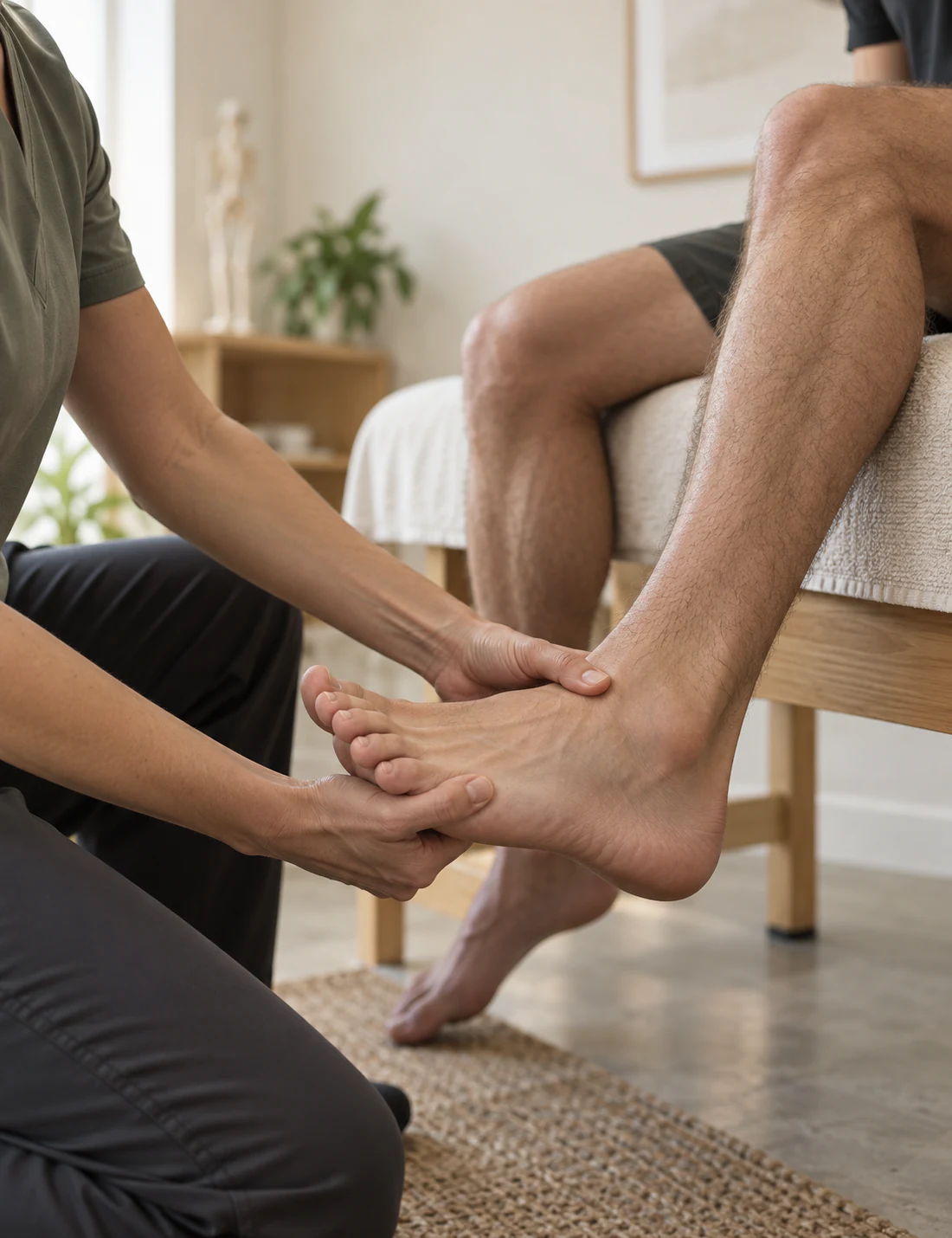
Treatment for ankle sprains, foot pain, balance concerns, and lower-leg movement limitations.
Depending on assessment, care may include Physiotherapy or Sports Injury Rehabilitation.
These condition guides help visitors connect symptoms with the right next step, without replacing an individual assessment.
Movement, strengthening, and symptom-management strategies for joint stiffness, irritation, and activity limits.
Depending on assessment, care may include Physiotherapy, Geriatric Physiotherapy, or Manual Therapy.
Care for symptoms that may travel from the low back into the hip, leg, or foot, with treatment guided by assessment.
Support for persistent pain using education, gradual activity planning, mobility work, and practical self-management.
Depending on assessment, care may include Physiotherapy, Manual Therapy, or Massage Therapy.
Assessment of neck, posture, mobility, and tension factors that may contribute to headache symptoms.
Care for jaw discomfort, muscle tension, and related neck or movement concerns where physiotherapy is appropriate.
For dizziness, balance, gait, and neurological concerns, care focuses on safe movement, confidence, and practical function.
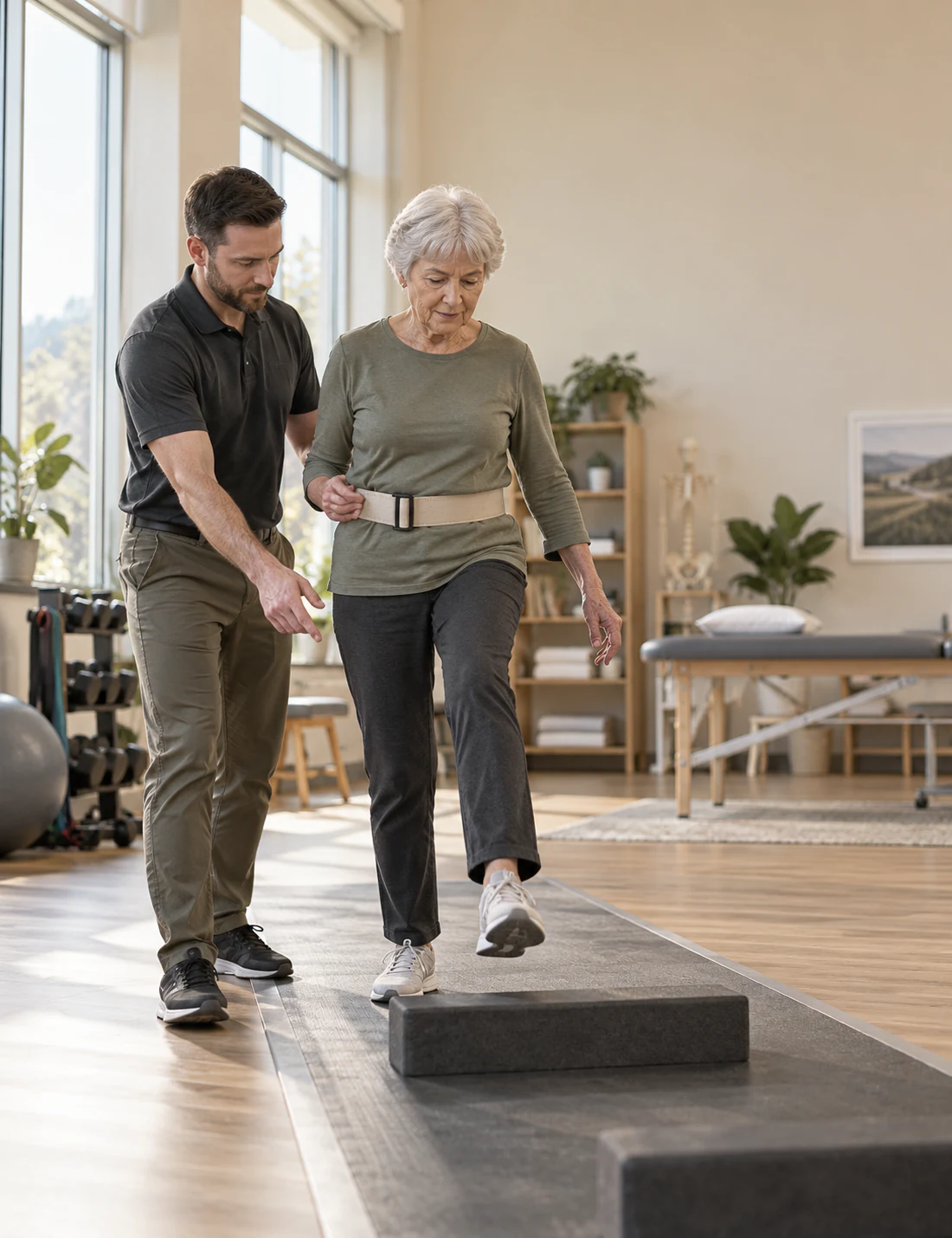
Exercises and strategies to improve steadiness, walking confidence, coordination, and fall-risk awareness.
Depending on assessment, care may include Physiotherapy, Fall Prevention, or Geriatric Physiotherapy.
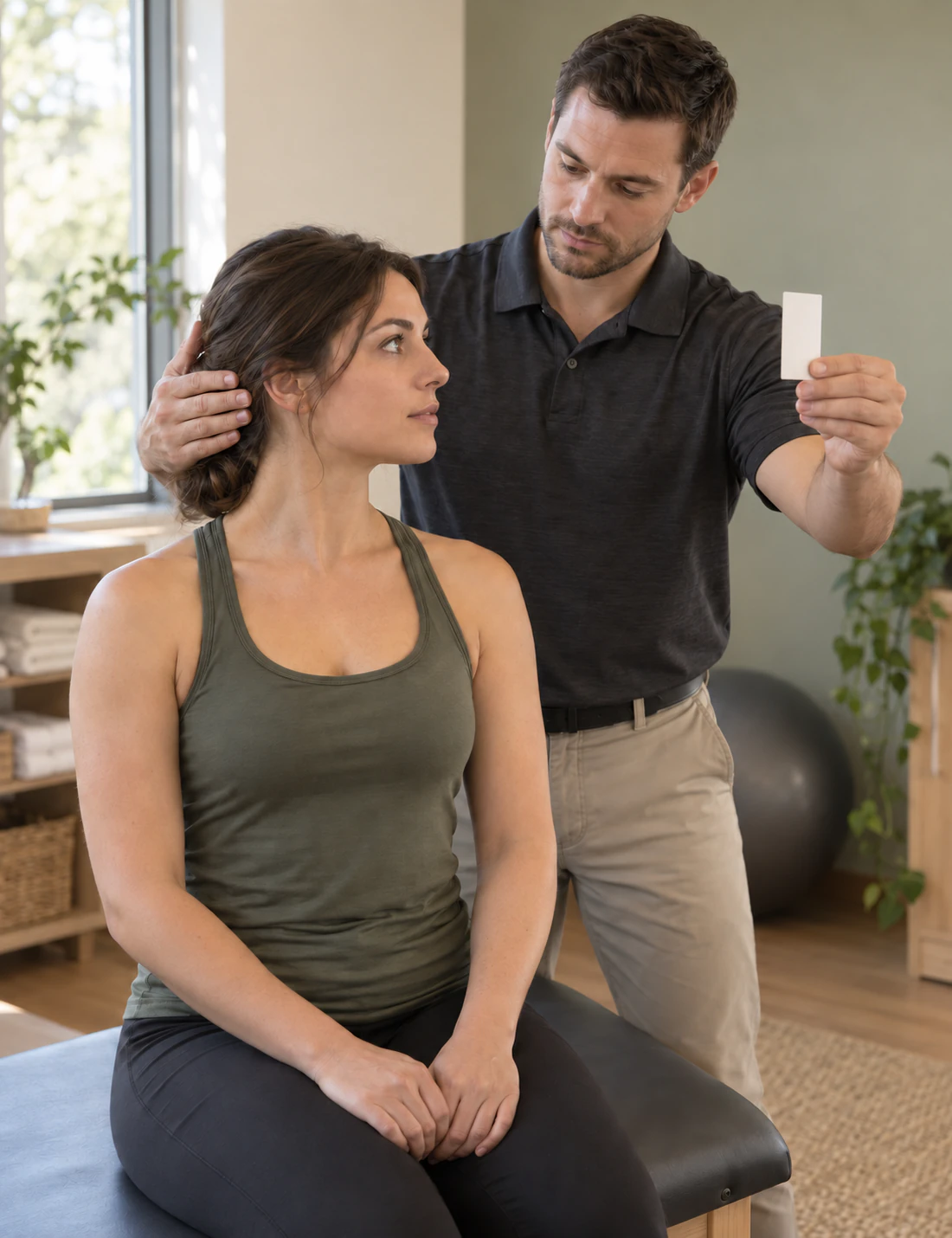
Vestibular rehabilitation support for dizziness, vertigo, motion sensitivity, and balance-related symptoms.
Depending on assessment, care may include Vestibular Rehabilitation.
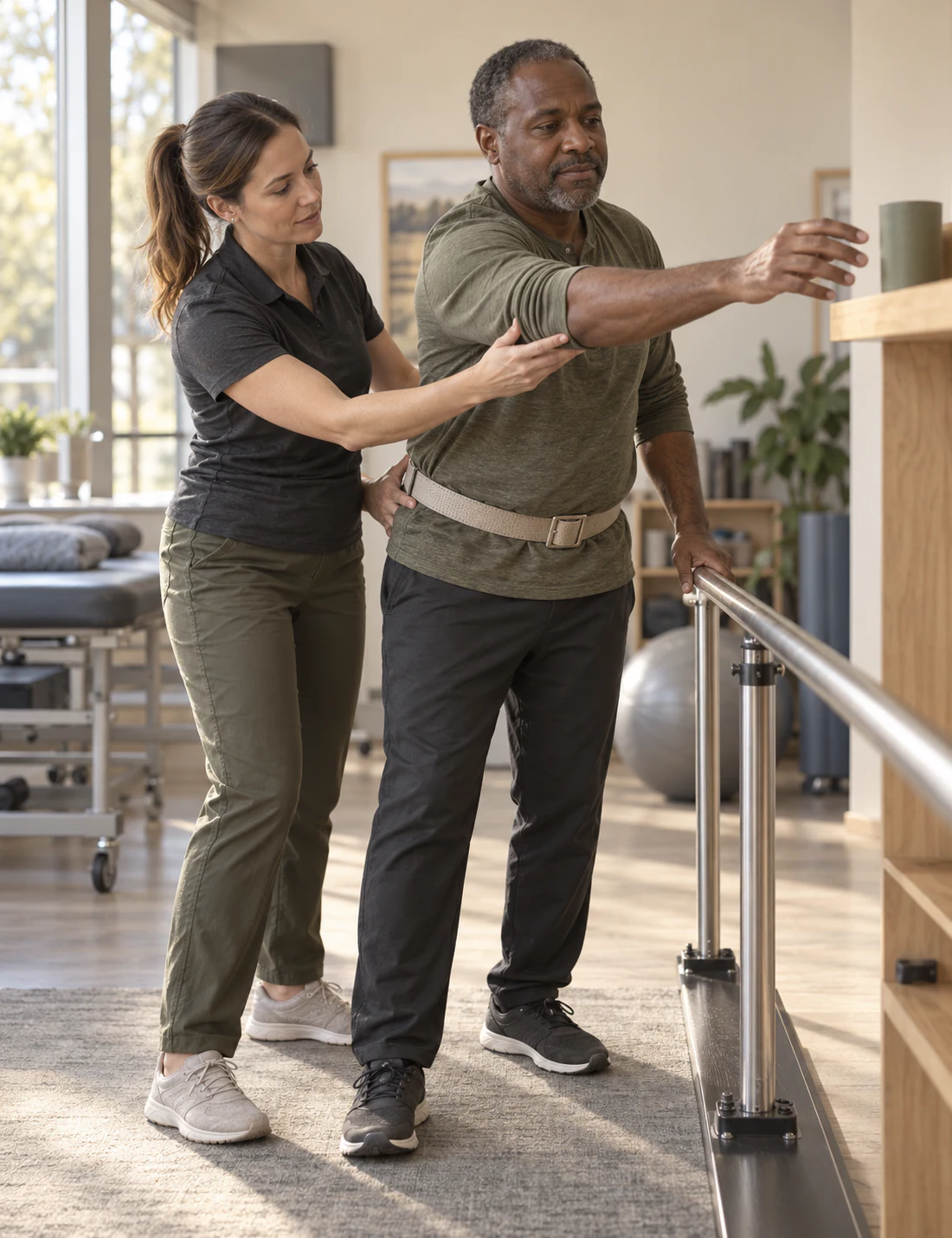
Rehabilitation support for movement, strength, balance, and function when neurological conditions affect daily activity.
Depending on assessment, care may include Physiotherapy.
Whether the injury happened during sport, at work, or in a motor vehicle accident, the goal is a steady path back to function.
Treatment planning for workplace strains, repetitive stress, and movement demands connected to job tasks.
Rehabilitation for activity-related injuries with attention to strength, movement quality, load, and return to sport.
Depending on assessment, care may include Sports Injury Rehabilitation, Physiotherapy, or Sports Performance.
Support after collision-related injuries, including neck, back, soft-tissue, and function-related concerns.
Depending on assessment, care may include Motor Vehicle Accident Rehabilitation or Physiotherapy.